
Key Takeaways
Every year, billions of dollars flow into charitable causes. Yet a surprising amount of that generosity fails to produce lasting change. The difference between philanthropy that transforms communities and philanthropy that simply moves money is one thing: strategy.
After more than 30 years of advising donors, foundations, family offices, and nonprofit organizations, I have seen this pattern repeat itself. The most well-intentioned givers — people who genuinely care about education, health equity, climate justice, or community development — often struggle to translate their passion into measurable outcomes. Not because they lack resources or commitment, but because they lack a coherent philanthropic strategy.
This guide is designed to change that. Whether you are an individual donor looking to give more effectively, a family foundation defining its next chapter, or a corporate leader building a social impact program, the principles here will help you move from generous intentions to strategic impact.
What Is Philanthropic Strategy?
Philanthropic strategy is the deliberate process of aligning your charitable resources — money, time, expertise, and influence — with a clear set of goals, a defined theory of change, and measurable outcomes. It answers three fundamental questions:
Without a strategy, philanthropy defaults to what I call "reaction giving" — responding to whoever asks most persuasively, funding whatever feels urgent in the moment, and spreading resources so thin that no single initiative has enough support to succeed.
Strategic philanthropy is different. It requires making hard choices: which issues to prioritize, which organizations to fund, how deeply to engage, and when to say no. These choices are not limitations — they are the source of impact.
Why Philanthropic Strategy Matters
The case for strategy in philanthropy is the same as the case for strategy in any endeavor: limited resources demand focused allocation.
The Cost of Giving Without Strategy
Consider a family foundation with $2 million in annual grantmaking. Without a strategy, that foundation might fund 40 organizations at $50,000 each across a dozen issue areas. The result: no single grantee receives enough to achieve breakthrough outcomes, the foundation cannot measure its collective impact, and staff spend most of their time processing applications rather than building relationships with grantees.
The Power of Strategic Focus
Now consider the same foundation with a philanthropic strategy. They identify early childhood education in their home state as their primary focus. They fund eight organizations deeply — providing multi-year unrestricted grants, convening grantees quarterly, and investing in shared measurement. Within three years, they can demonstrate measurable improvements in kindergarten readiness across their target communities.
The Bridgespan Group has documented this pattern extensively: foundations with a tightly focused approach to their grantmaking consistently report higher perceived impact than those that spread their giving broadly.
Equity Demands Strategy
There is another reason philanthropic strategy matters that often goes unspoken: equity. Without an intentional strategy, philanthropic dollars tend to flow toward well-resourced organizations with sophisticated fundraising operations — which are disproportionately led by white leaders and located in affluent communities. A deliberate philanthropic strategy can counteract this pattern by directing resources toward community-based organizations, leaders of color, and the communities closest to the problems being addressed.
This is not about charity. It is about recognizing that the people most affected by injustice are also the people best positioned to design solutions — if they have the resources to do so.
The Five Pillars of Effective Philanthropic Strategy
In my work with foundations and donors, I use a framework called the Five Pillars of Effective Philanthropic Strategy. Each pillar addresses a dimension that, when neglected, undermines even the most well-funded efforts.
Pillar 1: Clarity of Purpose
Every philanthropic strategy begins with a clear articulation of purpose. This goes beyond a mission statement. It requires defining:
A family office that says "we care about education" has a cause. A family office that says "we are committed to ensuring every child in Newark, New Jersey has access to high-quality early literacy programs by 2030" has a purpose.
Pillar 2: Theory of Change
Your theory of change is your hypothesis about how the world moves from its current state to the future you envision. It connects your funding decisions to expected outcomes through a logical chain of cause and effect.
A complete theory of change answers:
- What are the root causes of the problem?
- What interventions address those root causes?
- What evidence supports those interventions?
- What conditions need to be true for those interventions to work?
- How will we know if progress is being made?
If you are developing a theory of change for the first time, the process of nonprofit strategic planning provides a useful framework for structuring your thinking.
Pillar 3: Portfolio Design
Once you know your purpose and theory of change, the next pillar is portfolio design — deciding how to allocate your philanthropic capital across different types of investments.
A well-designed philanthropic portfolio typically includes:
The balance among these categories depends on your theory of change, risk tolerance, and time horizon. A foundation in its early years might weight heavily toward direct service funding. A mature foundation with a 20-year track record might shift toward systems change and policy.
Pillar 4: Relationship and Power
This is the pillar that most philanthropic strategies ignore — and it is arguably the most important.
Philanthropy is a power relationship. The funder holds resources that the grantee needs. How that power is exercised shapes everything: which voices are heard in strategy development, which organizations receive funding, what conditions are attached to grants, and how success is defined.
An equity-centered philanthropic strategy addresses power directly by:
The MacArthur Foundation, Ford Foundation, and Hewlett Foundation have all moved toward trust-based philanthropy practices in recent years. This is not a trend — it is a correction to decades of funder-centric strategy that treated grantees as implementers rather than partners.
Pillar 5: Learning and Adaptation
The final pillar recognizes that no strategy survives first contact with reality unchanged. Effective philanthropic strategy includes built-in mechanisms for learning, reflection, and course correction.
This means:
The willingness to adapt is what separates living strategy from a document that sits on a shelf. I have worked with foundations that revisit their philanthropic strategy annually and make meaningful adjustments based on what they are learning from grantees and data. These are the foundations that achieve outsized impact.
Types of Philanthropic Strategy
Philanthropic strategy is not one-size-fits-all. The approach varies significantly depending on who is giving and in what context.
Individual Donor Strategy
Individual donors — from those giving $1,000 per year to ultra-high-net-worth individuals — benefit from philanthropic planning that aligns their giving with their values, tax situation, and desired level of engagement. Key decisions include which giving vehicles to use (direct giving, donor-advised funds, private foundations), how to balance local and national giving, and whether to give anonymously or publicly.
Family Philanthropy Strategy
Family foundations and family giving programs face unique challenges: aligning multiple generations with different values, defining the role of family members versus professional staff, and deciding whether to exist in perpetuity or spend down. A family philanthropy strategy must address both the mission and the family dynamics.
Corporate Philanthropy Strategy
Corporate givers must navigate the intersection of business interests and social impact. The most effective corporate philanthropy strategies go beyond check-writing to integrate giving with employee engagement, supply chain practices, and core business competencies. The goal is shared value — outcomes that benefit both the community and the company.
Foundation Strategy
Private foundations, community foundations, and public charities each have distinct strategic considerations. Private foundations have maximum flexibility but face excise taxes and minimum distribution requirements. Community foundations serve a defined geography and must balance donor intent with community needs. A strong governance structure is essential for each.
Collective and Collaborative Philanthropy
An emerging model involves multiple funders pooling resources around a shared strategy. Collective impact initiatives bring together funders, nonprofits, government agencies, and community members around common goals and shared measurement. This approach can achieve scale that no single funder could reach alone.
How to Develop Your Philanthropic Strategy: A Step-by-Step Process
Step 1: Conduct a Values Assessment
Before developing strategy, get clear on your motivations. What issues keep you up at night? What change do you want to see? What role do you want philanthropy to play in your life or your organization? This is not a checkbox exercise — it is the foundation everything else rests on.
Step 2: Landscape Analysis
Research the issue areas you care about. Who are the key organizations? What is working? Where are the gaps? What does the evidence say about effective interventions? This is where many donors skip ahead — and it is where the most common mistakes are made.
Step 3: Define Your Theory of Change
Based on your values and landscape research, articulate how you believe change happens in your focus area. Be specific. Write it down. Test it with people who work in the field.
Step 4: Set Boundaries and Focus
Decide what you will fund and — equally important — what you will not. Define your geographic focus, issue focus, population focus, and funding parameters. The more specific your focus, the greater your potential for impact.
Step 5: Design Your Portfolio
Allocate resources across your portfolio categories. Determine grant sizes, duration, and conditions. Decide how much risk you are willing to take on new or unproven approaches versus funding established organizations with track records.
Step 6: Build Relationships
Identify potential grantees and partners. Visit their programs. Talk to the people they serve. Build relationships based on mutual respect and shared purpose — not just due diligence checklists.
Step 7: Implement, Measure, and Adapt
Launch your strategy with clear metrics and a timeline for review. Collect data. Reflect regularly. Be prepared to adjust course based on what you learn.
For organizations going through this process alongside a consultant, understanding what to expect from strategic planning engagements can reduce friction and improve outcomes.
Common Mistakes in Philanthropic Strategy
After three decades in this work, I have seen the same mistakes repeated by donors at every level of giving.
Spreading too thin. Funding 50 organizations at $10,000 each creates administrative burden without generating impact. Focus creates impact.
Confusing activity with impact. The number of grants made, events hosted, or reports published are not measures of success. Impact is measured in changed lives and changed systems.
Ignoring the people closest to the problem. Strategy developed in a boardroom without input from the communities you seek to serve will miss critical context. Co-design produces better outcomes.
Chasing trends. Philanthropic priorities should be driven by evidence and values, not by what other funders are excited about this year. Trends come and go. Commitment creates change.
Underinvesting in capacity. Funding programs without investing in the organizational capacity of grantees is like building a house without a foundation. Strong organizations need strong fundraising strategies, capable boards, and resilient leaders.
Failing to use storytelling. Philanthropic strategy is not just about allocating dollars — it is about building movements. Storytelling connects donors to impact, inspires communities, and holds organizations accountable to their mission.
When to Hire a Philanthropic Strategy Consultant
Not every donor or foundation needs a consultant. But there are clear signals that outside expertise can accelerate progress:
- You are launching a new foundation or philanthropic initiative and want to start with a solid strategy rather than learning through expensive trial and error
- Your current giving feels scattered and you want to bring focus and intentionality
- You are navigating a generational transition in a family foundation
- You want to shift toward equity-centered practices but are not sure how to start
- You need someone who can facilitate difficult conversations among board members, family members, or stakeholders with different perspectives
- You want an independent perspective on your portfolio performance
At Giddings Consulting Group, we bring over 30 years of experience helping foundations, donors, and mission-driven organizations develop philanthropic strategies that are both rigorous and equity-centered. Drew Giddings has guided more than 100 organizations through this process — from family foundations defining their first strategy to established institutions undergoing major strategic pivots.
Frequently Asked Questions
What is the difference between philanthropy and strategic philanthropy?
Philanthropy is the act of giving money, time, or resources to charitable causes. Strategic philanthropy adds intentionality — it means giving according to a defined strategy with clear goals, a theory of change, and measurable outcomes. The difference is the same as between spending money and investing it: one is reactive, the other is purposeful.
How much does it cost to develop a philanthropic strategy?
Costs vary widely depending on the scope of the engagement. A focused strategy session for an individual donor or small family foundation might range from $5,000 to $15,000. A comprehensive strategic planning process for a large foundation — including stakeholder interviews, landscape analysis, and board facilitation — typically ranges from $25,000 to $75,000 or more. The investment usually pays for itself many times over in more effective grantmaking.
How long does it take to develop a philanthropic strategy?
A focused process can be completed in 8 to 12 weeks. More comprehensive engagements — particularly those involving multiple stakeholders, extensive research, or organizational restructuring — may take 4 to 6 months. The key is balancing thoroughness with momentum.
Can a small donor have a philanthropic strategy?
Absolutely. You do not need to be a foundation or high-net-worth individual to give strategically. Choosing two or three causes you care about, researching the most effective organizations in those areas, and giving consistently over time is a philanthropic strategy. The principles of focus, intentionality, and learning apply at every giving level.
What is the difference between a philanthropic strategy and a fundraising strategy?
A philanthropic strategy guides the giver — it determines where money flows and why. A fundraising strategy guides the recipient — it determines how a nonprofit raises the money it needs to fulfill its mission. The two are complementary: strong philanthropic strategy makes donors more effective, and strong fundraising strategy makes nonprofits more sustainable.
What is equity-centered philanthropy?
Equity-centered philanthropy recognizes that traditional philanthropic practices can reinforce the same power imbalances they seek to address. It involves directing resources toward communities most affected by injustice, trusting community leaders to design solutions, providing flexible and unrestricted funding, and sharing decision-making power with grantees. It is not a departure from effective philanthropy — it is an evolution toward more honest and ultimately more impactful giving.
How often should a philanthropic strategy be reviewed?
At minimum, annually. Many foundations conduct a light-touch quarterly review of portfolio performance and a deeper annual strategy review. Major strategic pivots — changing issue areas, restructuring the portfolio, or shifting geographic focus — should happen only after careful deliberation and with input from grantees and community partners.
What is a theory of change and why does it matter for philanthropy?
A theory of change is your hypothesis about how the world moves from its current state to the future you want to see. It connects your funding decisions to expected outcomes through a logical chain: "If we fund X, then Y will happen, because Z." Without a theory of change, philanthropic strategy is just a list of preferences. With one, it becomes a testable, improvable approach to creating impact.
About the Author
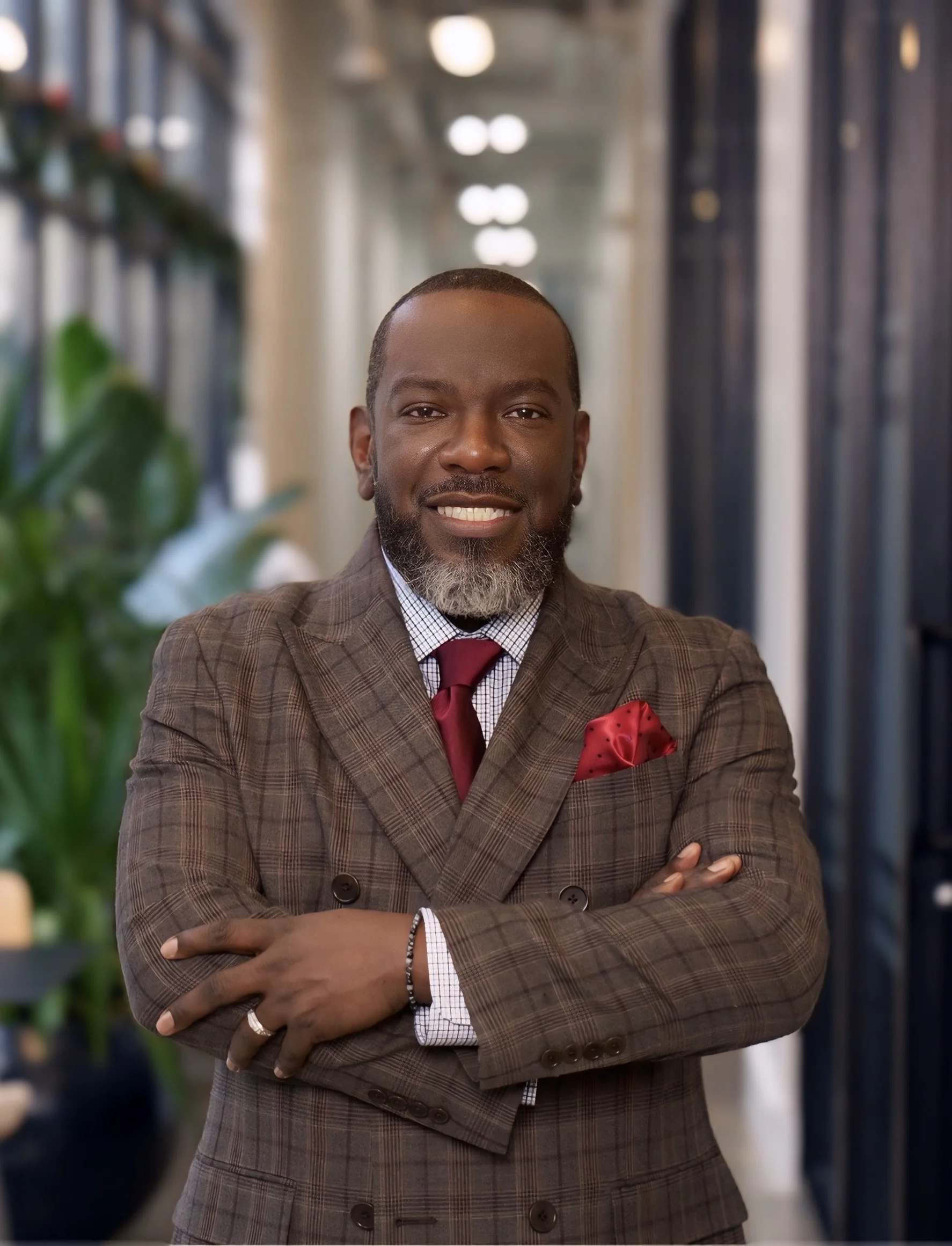
Drew Giddings
Founder & Principal Consultant
Drew Giddings brings more than two decades of experience working with mission-driven organizations to strengthen their capacity for equity and community impact. His work focuses on helping nonprofits build sustainable strategies that center community voice and create lasting change.
Ready to Transform Your Organization?
Let's discuss how equity-centered strategic planning can strengthen your mission and community impact.

