

Key Takeaways
The development director is arguably the most important hire a nonprofit makes after the executive director. This person is responsible for the financial engine that sustains the mission. Yet the role is chronically misunderstood, frequently under-resourced, and plagued by the highest turnover of any senior position in the sector.
Average tenure for a development director is 18-24 months. That turnover costs organizations six to twelve months of momentum every time. Understanding the role properly is essential for everyone involved -- the DD, the ED, and the board.
What Development Directors Actually Do
Revenue Generation
The primary function: raising money. This typically includes:Strategic Planning
Development directors shape the fundraising strategy: which channels to prioritize, which donor segments to cultivate, where to invest for growth. See our fundraising strategy guide.Donor Relations
Retention is cheaper than acquisition. Development directors build systems for donor acknowledgment, communication, stewardship events, and impact reporting. See our donor retention guide.Team Management
At mid-to-large organizations, the DD manages development associates, grant writers, event coordinators, and database managers.Board Support
Training board members in fundraising, supporting board-led campaigns, and staffing development committee meetings. See our board development guide.Salary Ranges (2026)
| Organization Budget | Salary Range | Notes |
|---|---|---|
| Under $1M | $55,000-$80,000 | Often combined with other duties |
| $1M-$5M | $75,000-$110,000 | Dedicated role, small team |
| $5M-$15M | $95,000-$140,000 | Managing 2-5 staff |
| $15M+ | $120,000-$180,000+ | VP-level, large team |
CFRE certification adds 10-15% to compensation. Advanced degrees (MBA, MPA) add 5-10%. Track record of revenue growth is the strongest compensation differentiator.
For comprehensive salary data, see our nonprofit salary guide.
Essential Skills
Relationship building. Fundraising is fundamentally about human connection. The ability to listen, build trust, and ask authentically is non-negotiable.
Strategic thinking. Not every dollar costs the same to raise. Development directors must allocate resources to the highest-ROI channels.
Financial literacy. Reading financial statements, understanding donor economics (cost per dollar raised, lifetime donor value), and managing budgets.
Writing. Grant proposals, donor communications, case statements, reports. Clear, compelling writing drives revenue.
Data management. CRM proficiency, donor analytics, reporting. Decisions should be data-informed.
Resilience. Rejection is constant. The best development professionals hear "no" frequently and maintain momentum.
Career Path
Development Coordinator ($40,000-$55,000): Gift processing, database management, event logistics.
Development Manager ($60,000-$85,000): Annual fund management, mid-level donor cultivation, grant writing.
Development Director ($80,000-$140,000): Full fundraising portfolio, strategy, team management.
VP of Development/Chief Development Officer ($120,000-$200,000+): Organizational leadership, board relations, major gift strategy.
Executive Director (via development): Many EDs come from fundraising backgrounds, particularly at organizations where revenue generation is the primary leadership challenge.
Why Turnover Is So High (And How to Fix It)
The Problem
Average DD tenure is 18-24 months. Reasons:The Fix
For boards: Set realistic revenue goals based on investment in fundraising. A DD cannot raise $2M with a $60K salary and no support staff.For EDs: Fundraising is a partnership. The ED must participate in major donor cultivation and be willing to make asks.
For organizations: Invest in CRM, marketing, and support staff. Give the DD a budget, not just a revenue target.
For retention strategies, see our talent retention guide.
Tangible Takeaway
If you are hiring a development director, answer three questions first: (1) What is the realistic revenue goal based on your current donor base and infrastructure? (2) What resources (staff, technology, budget) will you provide? (3) Is the ED committed to active participation in fundraising? If you cannot answer all three clearly, you are setting the DD up to fail -- and you will be hiring again in 18 months.
Frequently Asked Questions
Do development directors need a CFRE? Not required, but it signals professional commitment and typically adds 10-15% to salary. Requires 5+ years of experience and continuing education.
Can someone transition into development from another field? Yes. Sales, marketing, and relationship management professionals often excel. The key is genuine passion for the cause -- donors detect insincerity immediately.
What is a reasonable revenue goal for a new DD? First year: maintain current revenue while building systems. Years 2-3: 10-20% annual growth. Expecting a new DD to double revenue in year one guarantees failure.
Should the DD report to the ED or the board? The ED. Board development committee provides governance oversight, but day-to-day management should come from the ED.
How many donors can one DD manage? Actively cultivating 100-150 major donor relationships is realistic. Beyond that, you need additional staff.
What CRM do development directors need? Depends on budget. See our nonprofit CRM guide for recommendations by organization size.
Is it better to promote internally or hire externally? Internal candidates know the organization and donors. External candidates bring fresh perspective and new networks. Both can work -- the decision should be based on what the organization needs most.
What is the biggest mistake new development directors make? Trying to change everything immediately. The first 90 days should be spent listening, learning the donor base, and understanding organizational culture before implementing new strategies.
About the Author
Drew Giddings is the Founder and Principal Consultant of Giddings Consulting Group, with more than 30 years of experience in fund development, organizational development, and strategic planning.
Contact Giddings Consulting Group to discuss fund development strategy, hiring, or organizational planning for your nonprofit.
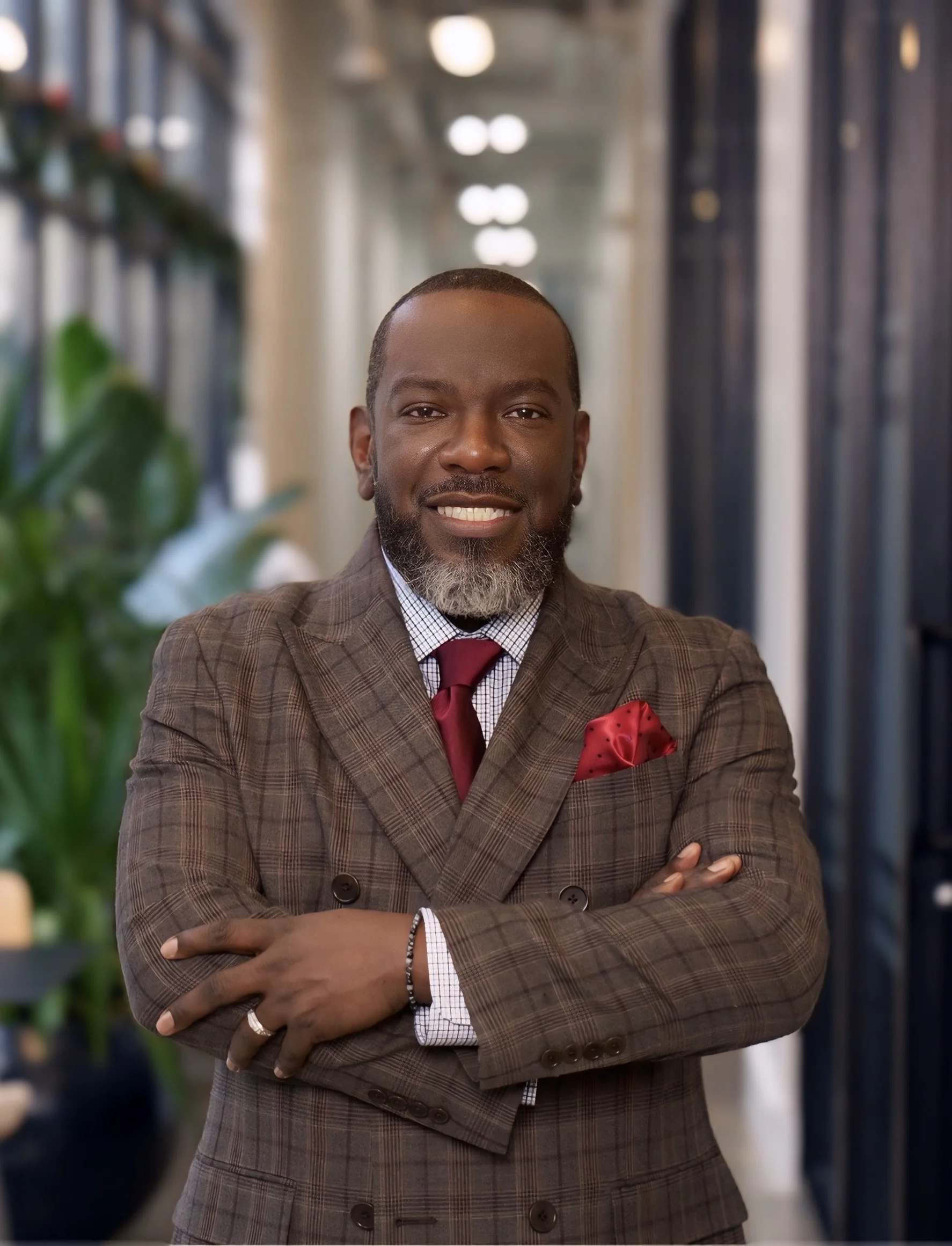
About the Author
Drew Giddings
Founder & Principal Consultant
Drew Giddings brings more than two decades of experience working with mission-driven organizations to strengthen their capacity for equity and community impact. His work focuses on helping nonprofits build sustainable strategies that center community voice and create lasting change.
Ready to Transform Your Organization?
Let's discuss how equity-centered strategic planning can strengthen your mission and community impact.

