Key Takeaways
Planned giving is the most underutilized fundraising strategy. An estimated $84.4 trillion will transfer between generations by 2045 (Cerulli Associates). Any nonprofit with loyal donors can build a planned giving program.
Types of Planned Gifts
Bequests (Foundation): Gift through will or living trust. Simplest and most common. Revocable. No current cash outlay. Sample language: "I give [amount/percentage/residual] of my estate to [Organization], EIN [XX-XXXXXXX], for [general/specific purposes]."
Charitable Remainder Trusts: Transfer assets, receive income for life, remainder to nonprofit. Best for donors with $100K+ in appreciated assets.
Charitable Gift Annuities: Make a gift, receive fixed annual payments for life. Best for donors 65+ wanting reliable income.
Beneficiary Designations: Name organization as beneficiary of IRA, 401k, or life insurance. Easiest planned gift -- just a form at the financial institution.
Charitable Lead Trusts: Trust pays income to nonprofit for a term, remainder to heirs with reduced estate taxes. For wealthy donors focused on estate planning.
Starting a Program
The Cultivation Conversation
"You have been supporting us for 15 years. That means a lot." "What drew you to our mission?" "What do you hope this work looks like in 20 years?" "Some of our most committed supporters have found ways to continue their support beyond their lifetime. Is that something you have ever thought about?"
See donor retention guide, fundraising strategy, and charitable donation tax deduction guide.
Tangible Takeaway
Start with bequests. Add a planned giving page to your website with sample bequest language. Identify your 20 longest-tenured donors and have personal conversations about their legacy. Launch a legacy society. You do not need a complex program -- you need personal conversations with loyal donors.
Frequently Asked Questions
How much can we expect? Average bequest ~$35,000 nationally (Giving USA). Some $500K+. Pipeline takes 7-15 years.
Do we need a lawyer? Not to start. For trusts and complex gifts, yes. For bequests, provide sample language and refer to donor's advisor.
What if a donor changes their mind? Bequests are revocable. Maintain the relationship to keep the commitment.
Should we accept all planned gifts? Yes for bequests and beneficiary designations. Consult counsel for complex gifts (real estate, closely held stock).
When should we start these conversations? Do not limit to elderly donors. People in their 40s and 50s are writing wills and making estate plans.
About the Author
Drew Giddings is the Founder and Principal Consultant of Giddings Consulting Group, with more than 30 years of experience in fund development, donor cultivation, and organizational development.
Contact Giddings Consulting Group to discuss planned giving, fund development, or organizational planning for your nonprofit.
About the Author
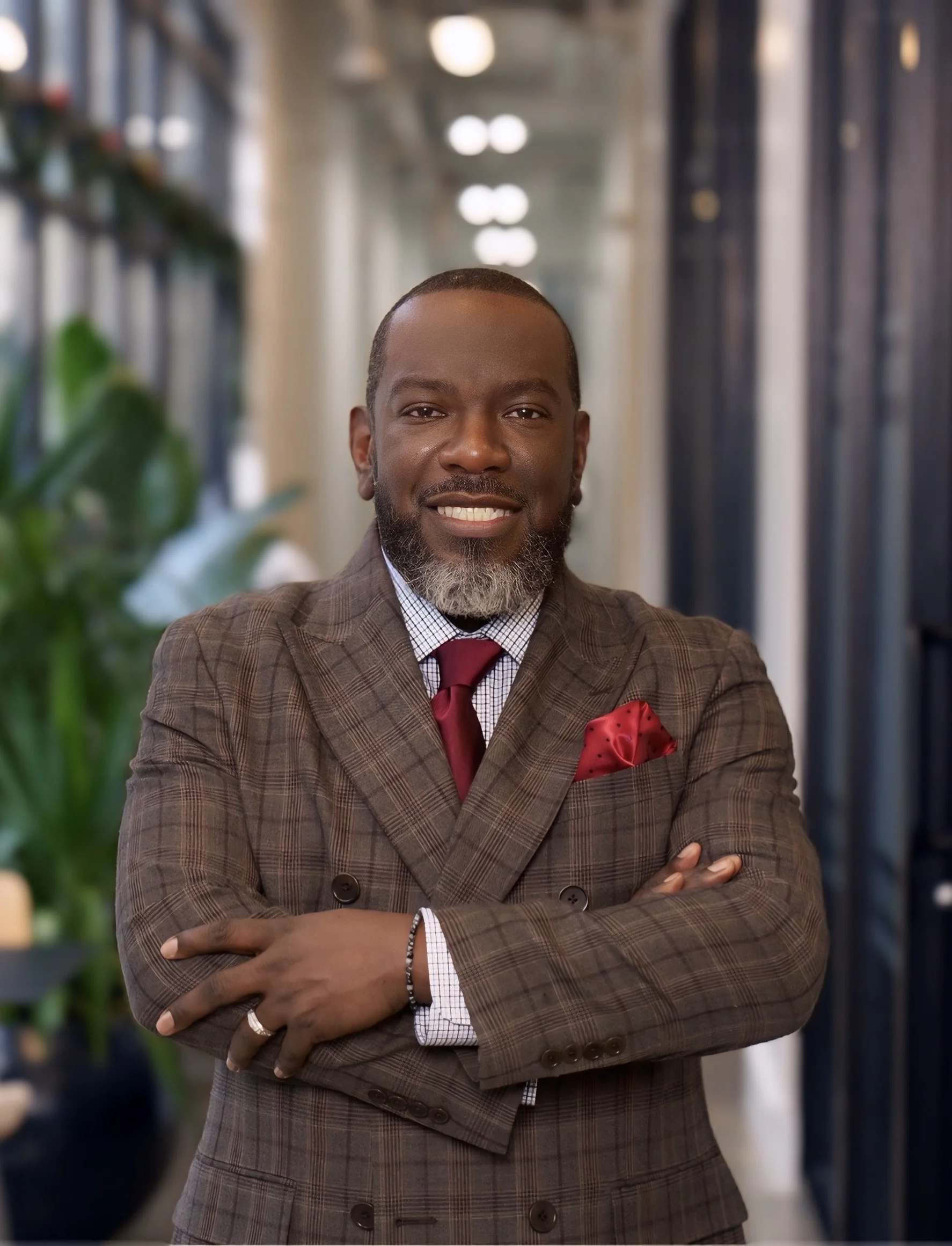
Drew Giddings
Founder & Principal Consultant
Drew Giddings brings more than two decades of experience working with mission-driven organizations to strengthen their capacity for equity and community impact. His work focuses on helping nonprofits build sustainable strategies that center community voice and create lasting change.
Ready to Transform Your Organization?
Let's discuss how equity-centered strategic planning can strengthen your mission and community impact.

