Key Takeaways
Grant writing is one of those skills that looks simple from the outside and turns out to be maddeningly complex from the inside. The format seems straightforward: describe your problem, explain your solution, show your budget, ask for money. But between those steps lies the difference between proposals that get funded and proposals that get filed in the recycling bin.
After more than 30 years of helping nonprofits develop grant strategies, I have reviewed thousands of proposals -- some brilliant, most mediocre, and more than a few that actively damaged the organization's reputation with funders. The difference is rarely writing quality. The best-written proposal for the wrong funder is still a rejection. And a competently written proposal that perfectly aligns with a funder's priorities will beat elegant prose every time.
This guide teaches you how to think like a funder, write like a practitioner, and build proposals that consistently win. Not because they follow a template, but because they demonstrate the kind of organizational capacity and programmatic clarity that funders are actually looking for.
If you are new to grant writing, consider starting with our grant writing certification guide to build foundational skills.
Before You Write a Single Word: Funder Research
The most important grant writing work happens before you write a single sentence of the proposal. It happens during research.
The Alignment Principle
Here is the truth that most grant writing guides bury at the bottom: the number one reason proposals are rejected is misalignment with the funder's priorities. Not bad writing. Not weak budgets. Not insufficient data. Misalignment.
Funders have specific priorities, geographic focuses, funding ranges, and grantee profiles. A proposal that does not match these parameters will be rejected regardless of quality. I estimate that 40-50% of the proposals I review in my consulting practice should never have been submitted because the organization did not match the funder's criteria.
How to Research Funders
Step 1: Build Your Prospect List Use research tools to identify funders whose priorities overlap with your mission:
- Foundation Directory Online (by Candid) -- the most comprehensive foundation database
- Instrumentl -- AI-powered grant matching
- GrantStation -- curated grant opportunities
- Grants.gov -- federal grant listings
- Your state's foundation directory
- What are their stated funding priorities for the current cycle?
- What is their typical grant range (minimum and maximum)?
- What geographic areas do they fund?
- What types of organizations do they fund (size, age, program area)?
- Who have they funded recently? (Look at their 990 to see recent grants)
- Do they have a relationship with your organization already?
Before writing any proposal, spend at least as much time on funder research as you plan to spend on writing. A well-matched funder with a decent proposal beats a poorly matched funder with a perfect proposal every time.
The Anatomy of a Winning Grant Proposal
Every funder has their own application format, but most proposals share these core components. Master each one.
1. Executive Summary (or Abstract)
This is the first thing a reviewer reads and often the only thing a busy program officer reads in full during initial screening. In one page or less, cover:
- Who you are (one sentence)
- The problem you are addressing (2-3 sentences)
- Your proposed solution (2-3 sentences)
- The amount you are requesting and the total project budget
- Expected outcomes (2-3 bullet points)
2. Organizational Background
Establish credibility. Funders need to believe your organization can actually deliver what you are proposing. Include:
- Mission and history (brief -- two paragraphs maximum)
- Relevant experience and track record
- Key leadership and qualifications
- Organizational capacity (staff, facilities, partnerships)
- Current programs and their outcomes
3. Statement of Need (Problem Statement)
This is where you make the case for why your project matters. The best needs statements combine three elements:
Data: Quantify the problem. "Youth unemployment is a challenge" is weak. "In our service area, 34% of young adults aged 18-24 are neither employed nor enrolled in education, compared to the national average of 11.2% (Bureau of Labor Statistics, 2025)" is strong.
Context: Explain why the problem persists. What systemic factors, gaps in services, or unmet needs create the conditions your project addresses?
Urgency: Why now? What has changed -- in the community, in funding, in policy, in demographics -- that makes this project timely?
The critical distinction: The needs statement describes the community's problem, not your organization's problem. "We need funding for a new program" is an organizational need. "Youth in our community lack access to career pathways, resulting in a 34% unemployment rate" is a community need. Funders fund community needs.
4. Project Description (Methods / Approach)
This is the heart of the proposal. Describe exactly what you will do, for whom, and how.
Program Design:
- Specific activities and their sequence
- Target population and how you will reach them
- Staffing and roles
- Timeline with milestones
- Partners and their roles
Evidence Base: What evidence supports your approach? Reference research, best practices, or your own prior results that demonstrate this approach works. Funders want to fund proven models or well-reasoned innovations -- not experiments without theoretical grounding.
5. Goals, Objectives, and Outcomes
Goals are broad statements of desired change. "Reduce youth unemployment in our service area."
Objectives are specific, measurable, time-bound targets. "By month 12, 75% of program participants (150 of 200 enrolled youth) will secure employment or enroll in post-secondary education."
Outcomes are the changes that result from your program:
Use the SMART framework: every objective should be Specific, Measurable, Achievable, Relevant, and Time-bound. Vague objectives like "improve participants' lives" will not satisfy reviewers.
6. Evaluation Plan
Funders want to know how you will measure success. Your evaluation plan should address:
For grants over $100,000, consider budgeting for an external evaluator. Independent evaluation lends credibility and often reveals insights that internal evaluation misses.
7. Budget and Budget Narrative
The budget is where proposals win or lose credibility. A well-constructed budget demonstrates:
The budget narrative explains each line item. It answers the reviewer's question: "Why does this cost what it costs?" Do not assume any cost is self-explanatory.
Common budget mistakes:
- Forgetting fringe benefits (typically 25-35% of salary costs)
- Underestimating travel costs
- Omitting evaluation costs
- Not accounting for inflation in multi-year budgets
- Failing to show matching funds or in-kind contributions
8. Sustainability Plan
Funders invest -- they do not subsidize in perpetuity. They want to know: what happens when this grant ends?
Your sustainability plan should address:
- How the program will be funded after the grant period
- What elements will be institutionalized (absorbed into regular operations)
- What additional funding sources you are pursuing
- How program revenue or fee-for-service models might support continuation
The Psychology of Grant Reviewers
This is the part most grant writing guides skip entirely, and it is arguably the most valuable insight I can share.
Reviewers Are Human
Grant reviewers read dozens to hundreds of proposals per cycle. They are tired. They are looking for reasons to say yes and reasons to say no. Your job is to make saying yes easy.
What makes reviewers say yes:
- Clear, specific language (no jargon, no vagueness)
- Strong alignment with their priorities (they can check boxes easily)
- Evidence of organizational capacity (they believe you can do this)
- Realistic outcomes (they trust your projections)
- A compelling story anchored in data (they feel the urgency)
- Vague or inflated claims ("We will transform the community")
- Missing components (incomplete applications are automatically disqualified)
- Misalignment with guidelines (applying for something outside their scope)
- Budget inconsistencies (math errors, unexplained line items)
- Boilerplate language (they can tell when you submitted the same proposal to ten funders)
The Two-Minute Test
A program officer at a large foundation once told me: "I can tell within two minutes whether a proposal is a serious contender." Those two minutes cover the executive summary and a quick scan of the budget. If both are strong and aligned with priorities, the proposal gets a thorough read. If either is weak, it goes to the bottom of the pile.
Invest disproportionate time in your executive summary and budget. These two components determine whether the rest of your proposal gets read.
Common Rejection Reasons (and How to Avoid Them)
Based on three decades of conversations with program officers and review panel feedback:
1. Misalignment with funding priorities (50% of rejections) Solution: Do your research. Do not apply unless alignment is strong.
2. Weak needs statement (20% of rejections) Solution: Use current, local data. Quantify the problem. Cite reputable sources.
3. Unclear or unrealistic outcomes (15% of rejections) Solution: Use SMART objectives. Be specific about what will change and how you will measure it.
4. Budget problems (10% of rejections) Solution: Double-check all math. Include a narrative. Show matching funds. Be realistic.
5. Poor writing quality (5% of rejections) Solution: Have someone outside the project read the proposal for clarity. Cut jargon. Use active voice.
Notice that poor writing is the least common rejection reason. This should tell you where to invest your time.
Grant Writing Checklist
Use this checklist before submitting any proposal:
Pre-Writing:
- [ ] Funder priorities match at least 80% of your project
- [ ] You meet all eligibility requirements
- [ ] You have all required attachments (board list, financials, tax determination letter)
- [ ] You have read the full guidelines and FAQ
- [ ] Executive summary is one page or less and stands alone
- [ ] Organizational background demonstrates capacity, not just history
- [ ] Needs statement uses current, local data with citations
- [ ] Project description details specific activities with timeline
- [ ] Objectives are SMART (Specific, Measurable, Achievable, Relevant, Time-bound)
- [ ] Evaluation plan specifies what, how, who, and when
- [ ] Budget is accurate, aligned with activities, and includes narrative
- [ ] Sustainability plan is realistic and specific
- [ ] Word and page limits are followed exactly
- [ ] All requested forms and attachments are included
- [ ] Budget math is verified (totals match, percentages are correct)
- [ ] An outside reader has reviewed for clarity
- [ ] The proposal has been proofread (separately from content review)
- [ ] Submission is completed at least 24 hours before the deadline
Building Long-Term Funder Relationships
The best grant writers think beyond individual proposals. They build relationships with funders that produce multi-year support.
After you are funded:
- Submit reports on time (early is better)
- Share successes proactively (not just in required reports)
- Invite program officers to see your work in person
- Acknowledge the funder appropriately in public communications
- Be honest about challenges (funders respect transparency)
- Thank the program officer for their consideration
- Ask for feedback (not all will provide it, but many will)
- Ask whether you should reapply in the next cycle
- Stay on their radar with organizational updates
- Apply again with a stronger proposal when appropriate
Frequently Asked Questions
How long should a grant proposal be? Follow the funder's guidelines exactly. If no length is specified, most program proposals are 5-15 pages. Federal grants may require 25+ pages. Never exceed stated limits -- it signals that you cannot follow instructions, which is exactly the trait funders worry about in grantees.
How many grants should a nonprofit apply for? Quality over quantity. A well-matched, carefully crafted proposal to 5 funders will yield better results than a generic proposal sent to 50. Most organizations should maintain 10-20 active funder relationships and submit 15-30 proposals per year.
Can a new nonprofit get grant funding? Yes, but it is harder. Many funders require a track record (typically 2-3 years of operation). New organizations should start with local community foundations, small family foundations, and government grants that specifically target new organizations. Building a track record of program delivery is essential.
How long does it take to hear back after submitting a grant proposal? Federal grants: 3-6 months. Large private foundations: 2-4 months. Small to mid-size foundations: 1-3 months. Some funders notify only funded applicants. Always ask about the notification timeline when you submit.
What is the difference between a Letter of Inquiry (LOI) and a full proposal? An LOI is a 2-3 page preliminary request that allows a funder to assess fit before inviting a full proposal. Many foundations use LOIs to screen out misaligned requests early. Think of it as a first date -- you are gauging mutual interest, not committing to a relationship.
Should I hire a grant writer? If your organization submits fewer than 5 proposals per year, a freelance grant writer may be cost-effective. If you submit more than 10, consider a staff position. Never hire a grant writer who charges a percentage of funds raised -- this violates the ethical standards of the Association of Fundraising Professionals and the Grant Professionals Association.
How much does grant writing cost? Freelance grant writers typically charge $50-$150 per hour or $2,000-$10,000 per proposal depending on complexity. A full-time grant writer salary ranges from $45,000-$75,000 depending on location and experience. For broader consulting costs, see our guide on how much nonprofit consultants charge.
What is the success rate for grant proposals? Industry averages suggest a 20-30% success rate for well-targeted proposals. New organizations may experience 10-15%. Established organizations with strong funder relationships may achieve 40-50%. If your success rate is consistently below 15%, your targeting strategy needs adjustment.
Can I use the same proposal for multiple funders? Never submit an identical proposal to multiple funders. Each proposal should be customized to the specific funder's priorities, language, and requirements. You can reuse sections (organizational background, program description) but must tailor the framing, emphasis, and budget to each funder.
What attachments are typically required? Most funders require: IRS determination letter, list of board members, most recent audited financial statements or Form 990, organizational budget, and letters of support from partners. Prepare these documents in advance so they are ready when you need them.
About the Author
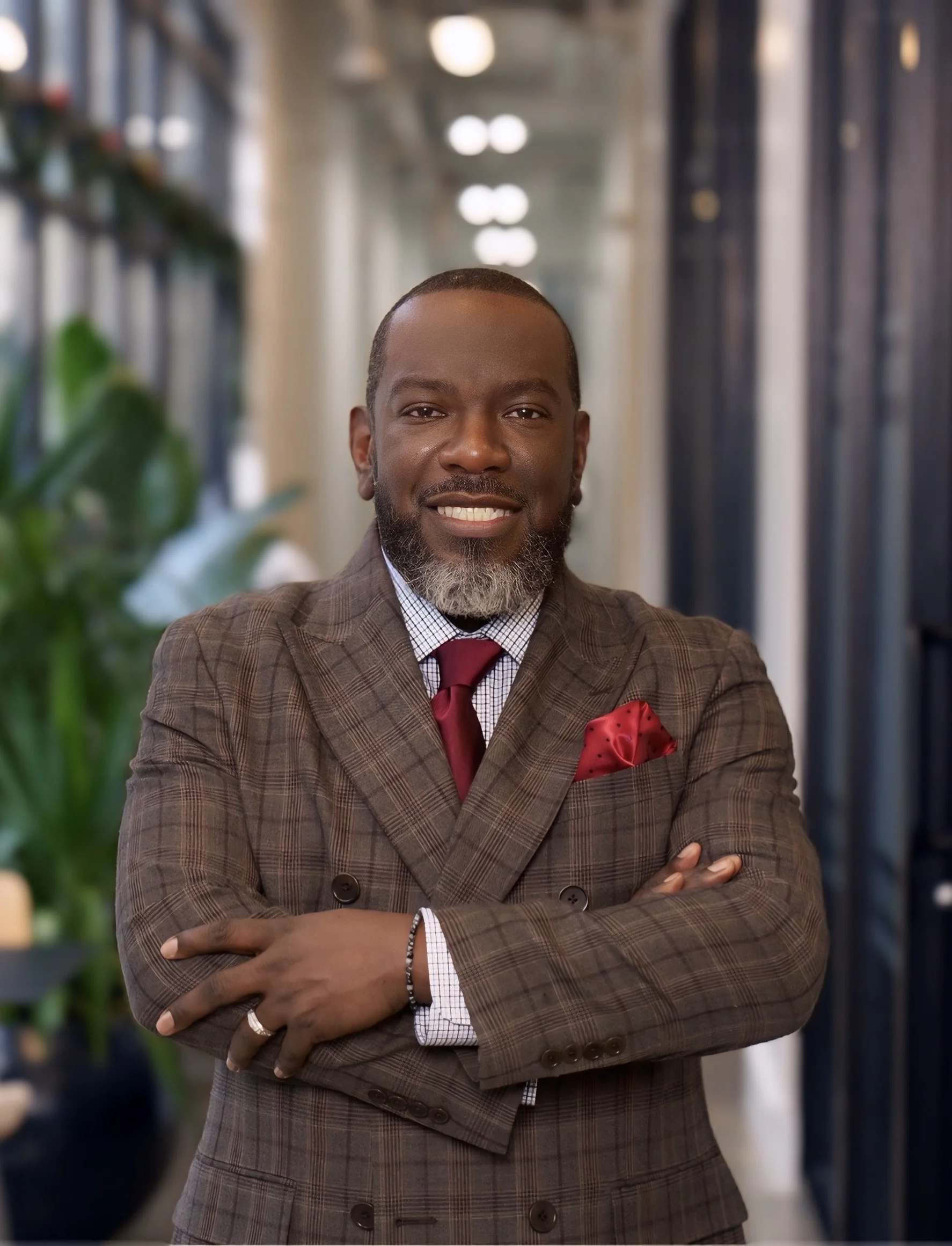
Drew Giddings is the Founder and Principal Consultant of Giddings Consulting Group, bringing more than 30 years of experience helping nonprofits build sustainable funding strategies through strategic grant development. His work spans fund development, strategic planning, and organizational capacity building for over 100 mission-driven organizations.
Contact Giddings Consulting Group to discuss how we can strengthen your organization's grant writing strategy and build sustainable funding pipelines.
About the Author
Drew Giddings
Founder & Principal Consultant
Drew Giddings brings more than two decades of experience working with mission-driven organizations to strengthen their capacity for equity and community impact. His work focuses on helping nonprofits build sustainable strategies that center community voice and create lasting change.
Ready to Transform Your Organization?
Let's discuss how equity-centered strategic planning can strengthen your mission and community impact.

