
Key Takeaways
If you are searching for a nonprofit merger consultant, your organization is likely standing at a serious decision point. The question may not be "How do we merge?" yet. It may be "Should we explore a merger at all?" or "Is there a partnership structure that protects our mission without forcing a full legal consolidation?"
That distinction matters. The strongest nonprofit merger consulting does not push organizations into a transaction. It creates the structure for leaders, boards, staff, funders, and community stakeholders to examine fit, risk, mission alignment, culture, governance, finances, and implementation before irreversible decisions are made.
The current search results for this term are mostly service pages from consulting firms. They name merger, restructuring, partnership, and due diligence. Many are credible. What they often miss is a plain-language decision framework for nonprofit boards that are worried about mission loss, staff disruption, donor trust, or the stigma of even saying the word "merger."
The Short Answer: What a Nonprofit Merger Consultant Does
A nonprofit merger consultant helps organizations evaluate and manage strategic combinations: merger, affiliation, shared services, fiscal sponsorship transition, program transfer, joint venture, parent-subsidiary structure, or formal collaboration. The consultant should create a neutral process, assess readiness, facilitate hard conversations, map options, coordinate with legal and financial advisors, support stakeholder communication, and guide integration planning.
The consultant does not replace your attorney, accountant, board, executive director, or community voice. The consultant makes the decision process clearer, more honest, and more disciplined.
| Question leaders are asking | Consultant role | Output |
|---|---|---|
| Should we merge? | Facilitate exploration and readiness assessment | Decision memo and options map |
| Are we compatible? | Examine mission, culture, governance, programs, finances | Fit assessment |
| What structure fits best? | Compare merger, affiliation, shared services, asset transfer | Structure recommendation |
| How do we protect people? | Design staff, board, funder, and community communication | Transition communication plan |
| Can we implement this? | Build timeline, owners, risks, and integration checkpoints | Implementation roadmap |
When a Merger Conversation Is Healthy
A merger conversation is healthiest before crisis removes your choices. Organizations should explore partnership or merger when two or more conditions are true: leadership succession is uncertain, revenue is unstable, program demand exceeds capacity, administrative burden is draining mission work, funders are encouraging collaboration, duplicative services are confusing the community, or a stronger partner could expand impact without erasing identity.
The timing matters. If the organization waits until payroll, compliance, or board continuity is already in danger, the conversation becomes defensive. When leaders explore options early, they can still negotiate from purpose rather than desperation.
This is why Giddings Consulting Group treats merger exploration as strategy work first. The question is not whether a merger is fashionable. The question is whether a different organizational structure would better serve the community and protect the mission.
Merger, Partnership, Affiliation, or Shared Services?
Nonprofit leaders often use "merger" as a catch-all term, but the choices are more nuanced.
Full merger usually means one legal entity survives or a new entity is formed, with assets, liabilities, programs, governance, and staff consolidated through legal agreements.
Affiliation can preserve separate legal entities while creating formal governance, management, brand, or program relationships.
Shared services lets organizations combine back-office functions such as finance, HR, technology, fundraising operations, or facilities without merging missions or boards.
Program transfer or asset transfer may move one program, contract, or service line to another organization while the original organization continues or winds down responsibly.
Strategic partnership may be the right answer when the organizations need coordination, referral pathways, joint fundraising, or shared advocacy without structural consolidation.
A consultant should help the board compare these options without treating a full merger as the only serious outcome.
The Board's Role in a Nonprofit Merger
The board has fiduciary responsibility for mission, assets, legal compliance, and long-term stewardship. In a merger conversation, that responsibility becomes more visible. Board members must ask whether the proposed structure protects the charitable purpose, honors donor restrictions, safeguards staff and community trust, and creates a realistic path to stronger impact.
Boards should not delegate the entire process to staff or attorneys. Attorneys are essential for legal structure, filings, liabilities, contracts, employment implications, and regulatory compliance. Accountants are essential for financial diligence, restrictions, grants, obligations, and reserves. But the board must own the strategic question: will this serve the mission better than the current structure?
Before any negotiation, the board should adopt written exploration principles: what must be protected, what could change, who must be consulted, what information is required, and what would cause the organization to walk away.
A Practical Nonprofit Merger Consulting Process
GCG's approach to merger exploration follows five phases.
Phase 1: Readiness and Purpose
The first phase clarifies why the conversation exists. Is the driver mission expansion, leadership succession, financial pressure, funder expectation, community need, program quality, administrative burden, or risk management? Different drivers require different options.
This phase should include board and executive interviews, document review, financial snapshot, program map, stakeholder list, and a decision on whether the organization is ready to enter structured exploration.
Phase 2: Fit Assessment
Fit is not just mission language. It includes values, program quality, client population, community trust, governance culture, staff capacity, leadership style, financial condition, donor restrictions, brand equity, technology, HR policies, and risk tolerance.
Two organizations can share a mission and still be a poor merger fit if their cultures, governance expectations, or operating realities are too far apart. A consultant should surface those tensions before leaders announce a path publicly.
Phase 3: Options and Structure
The third phase compares practical structures: merger, affiliation, shared services, fiscal sponsorship transition, program transfer, joint venture, or formal collaboration. Each structure should be evaluated against mission impact, governance control, legal complexity, financial risk, staff impact, funder response, timeline, and implementation capacity.
This phase should produce a decision memo that board members can actually use, not a deck full of generic recommendations.
Phase 4: Due Diligence and Communication
If leaders choose to continue, due diligence begins. Legal counsel and financial advisors become central. The consultant's role is to keep the human and strategic process organized: meeting design, decision logs, stakeholder questions, staff communication, board alignment, and integration planning.
Communication is not public relations after the decision. It is part of the decision. Staff, funders, partners, clients, and community members need a truthful narrative about why the exploration is happening and how their interests will be considered.
Phase 5: Integration Planning
A merger succeeds or fails after the announcement. Integration planning should cover leadership roles, board composition, staff structure, compensation and benefits, program continuity, data systems, donor records, brand transition, facilities, communication cadence, and the first 90 days after legal close.
The common failure is treating the signed agreement as the finish line. It is not. It is the starting point for the hardest part: making the combined organization work.
What Strong Consultants Do Differently
Strong nonprofit merger consultants create clarity without pretending the work is simple. They name power dynamics. They make room for staff anxiety. They separate facts from assumptions. They protect community voice. They coordinate with lawyers and accountants without letting the process become only a legal transaction. They help boards compare options instead of rushing into one structure.
Weak consulting looks like a predetermined answer, generic facilitation, no financial lens, no stakeholder communication plan, or no integration discipline. A merger process that only happens in boardrooms will eventually be tested by the people who were not in the room.
Warning Signs You Need Outside Help
Bring in outside support when any of these are true:
- Board members disagree on whether merger exploration is responsible or dangerous
- Staff have heard rumors but no clear message exists
- A funder, partner, or larger organization has raised the topic
- The executive director transition is creating uncertainty
- Financial pressure is real but not yet a crisis
- Two organizations share clients, geography, or programs but duplicate effort
- The board needs a neutral facilitator for confidential conversations
- Leaders are considering dissolution and need alternatives first
How Giddings Consulting Group Can Help
Giddings Consulting Group works with nonprofits, boards, coalitions, and social impact leaders navigating strategic complexity. Our role is to help leaders slow down the decision just enough to make it responsibly: clarify purpose, center mission, engage stakeholders, map options, facilitate hard conversations, and build a practical path forward.
We are especially focused on the human side of organizational change: community trust, board-staff alignment, equity, leadership capacity, and implementation. A merger conversation is not only about structure. It is about whether the next structure can carry the mission with integrity.
If your board is considering merger, affiliation, partnership, shared services, or a responsible alternative to dissolution, contact Giddings Consulting Group to begin a confidential conversation.
Frequently Asked Questions
What does a nonprofit merger consultant do?
A nonprofit merger consultant structures the exploration and transition process. That includes readiness assessment, fit analysis, board facilitation, options mapping, stakeholder communication, due diligence coordination, and integration planning. The consultant works alongside legal and financial advisors rather than replacing them.
When should a nonprofit consider a merger?
A nonprofit should consider merger or affiliation when mission impact could be stronger through combination, leadership succession is uncertain, financial pressure is limiting effectiveness, administrative burden is draining capacity, funders are encouraging collaboration, or community needs have changed. The best time is before crisis removes options.
Is merger the same as failure?
No. A merger can be a responsible act of stewardship when it protects services, strengthens programs, expands reach, or preserves mission through a stronger structure. The key is whether the process is mission-centered, transparent, and well governed.
Do we need a lawyer before hiring a consultant?
You need legal counsel before making legal commitments. A consultant can often help before that stage by clarifying goals, options, readiness, stakeholders, and decision criteria. Once the process moves toward legal structure, attorney involvement is essential.
How long does a nonprofit merger take?
Timing varies by size, complexity, regulation, funding, and stakeholder needs. Early exploration may take 6 to 12 weeks. Full due diligence, legal negotiation, and integration planning can take several months or longer. Rushing usually creates hidden risk.
About the Author
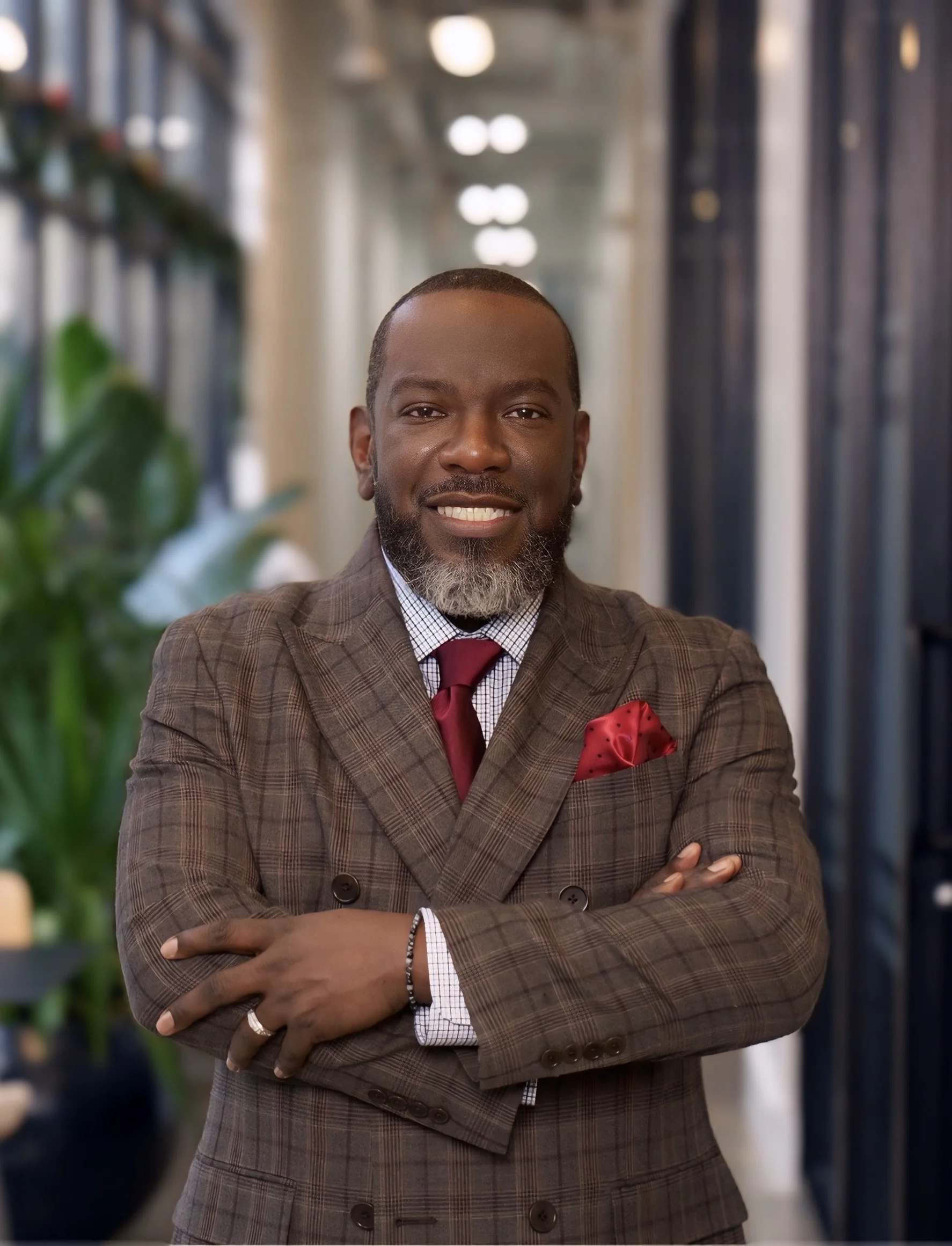
Drew Giddings
Founder, Giddings Consulting Group
Drew Giddings brings more than two decades of experience working with mission-driven organizations to strengthen their capacity for equity and community impact. His work focuses on helping nonprofits build sustainable strategies that center community voice and create lasting change.
Ready to Transform Your Organization?
Let's discuss how equity-centered strategic planning can strengthen your mission and community impact.

