

Key Takeaways
The New Era of Nonprofit Fundraising
Equip nonprofit leaders with actionable strategies and tangible frameworks to strengthen fundraising programs, enhance donor engagement, and cultivate sustainable revenue streams aligned with 2026 trends.
The nonprofit fundraising landscape has never been more complex—or more full of opportunity. As organizations navigate 2026, those clinging to outdated fundraising models will find themselves falling behind, while those that embrace emerging trends and donor expectations will thrive.
At Giddings Consulting Group, our analysis of fundraising data from hundreds of nonprofit organizations has revealed clear patterns separating high-performing fundraising programs from those struggling to meet goals. The difference is not budget size or staff capacity—it is strategic approach.
This guide presents the most significant nonprofit fundraising trends shaping 2026 and provides actionable strategies to strengthen donor engagement and build sustainable revenue streams.
Assess your current fundraising program against the eight trends presented here — the gap between where you are and where leading organizations are heading represents your greatest opportunity for growth.
The Shifting Donor Landscape: What the Data Tells Us
Establish a comprehensive understanding of donor behavior patterns that inform strategic fundraising decisions.
Before exploring specific trends, it is essential to understand the broader context shaping donor behavior in 2026.
Key Statistics Shaping Fundraising Strategy
These statistics underscore a clear reality: donors have more options than ever, expect greater transparency, and seek meaningful relationships with the organizations they support. Leaders who leverage this understanding will position their organizations for sustainable growth.
Trend 1: Hyper-Personalization Powered by AI and Data Analytics
Develop capacity to deliver tailored donor communications that strengthen relationships and enhance giving outcomes.
The days of one-size-fits-all donor communications are definitively over. In 2026, donors expect—and respond to—communications tailored to their interests, giving history, and preferred engagement methods.
What This Looks Like in Practice
Leading organizations are using donor data to:
Implementation Strategy (Step-by-Step)
The Human Element
Personalization technology should enhance human connection, not replace it. The most effective programs use AI to identify opportunities for personal outreach—flagging major gift prospects, identifying donors at risk of lapsing, or surfacing connections between donors and specific programs.
Participants who implement this approach leave with a donor segmentation framework and personalization strategy they can apply immediately within their organizations.
Trend 2: The Rise of Community-Centric Fundraising
Foster authentic community partnerships that strengthen fundraising while honoring the dignity and agency of those served.
Traditional fundraising often positions donors as saviors and communities as recipients. Community-centric fundraising flips this narrative, centering the expertise and agency of the communities being served.
Core Principles
Practical Applications
Why This Matters for Donor Engagement
Contrary to concerns that community-centric approaches might alienate donors, research shows that donors—particularly younger ones—respond positively to authentic, dignified storytelling and organizations that demonstrate genuine community partnership.
Leaders who adopt community-centric fundraising develop more authentic donor relationships while honoring the communities they serve.
Trend 3: Monthly Giving as the Foundation of Sustainable Revenue
Equip organizations with the strategies and structures needed to build world-class monthly giving programs that enhance revenue predictability and donor lifetime value.
Monthly giving programs have matured from nice-to-have to essential. Organizations with strong sustainer programs enjoy more predictable revenue, higher donor lifetime value, and greater resilience during economic uncertainty.
The Math of Monthly Giving
Consider two donors who each give $120 annually:
This three-fold difference in lifetime value makes monthly giving the most efficient form of individual fundraising.
Building a World-Class Monthly Giving Program
Conversion Strategies
The most effective monthly donor acquisition happens at these moments:
Organizations implementing these strategies will develop a structured monthly giving program with branded identity, conversion pathways, and stewardship calendar.
Trend 4: Donor-Advised Funds as Strategic Opportunity
Develop strategic approaches to access the growing pool of philanthropic capital held in donor-advised funds.
With over $234 billion in assets, donor-advised funds represent an enormous pool of philanthropic capital. Yet many nonprofits lack strategies to effectively access DAF dollars.
Understanding DAF Donor Behavior
DAF donors are typically:
- High-net-worth individuals with complex giving portfolios
- Engaged philanthropists who research organizations before giving
- Motivated by tax efficiency and family philanthropy planning
- Interested in larger, more strategic gifts
Strategies for DAF Engagement
Leaders will develop a DAF engagement strategy with specific tactics for frictionless giving, donor education, and appropriate stewardship.
Trend 5: Digital-First Fundraising Ecosystems
Strengthen digital infrastructure and cultivate integrated fundraising ecosystems that meet donors where they are.
Digital channels are no longer supplementary—they are central to how donors discover, engage with, and support nonprofit organizations.
Building a Digital Fundraising Ecosystem
Mobile Optimization Is Non-Negotiable
Over 50% of nonprofit website traffic comes from mobile devices, yet many donation pages remain poorly optimized for smartphone users. If the mobile giving experience is clunky, organizations are leaving money on the table.
Data Integration Across Channels
The most sophisticated organizations maintain unified donor profiles that capture interactions across all channels—website visits, email engagement, social media activity, event attendance, and giving history. This integrated view enables truly personalized engagement.
Organizations completing this assessment will have a digital ecosystem audit with specific recommendations for optimization.
Trend 6: Impact Transparency and Outcome Reporting
Develop capacity to communicate outcomes effectively, building donor trust through credible evidence of impact.
Donors increasingly want to understand not only what organizations do, but what they achieve. Generic impact statistics no longer satisfy; donors want specific, credible evidence of outcomes.
Evolving Impact Communication
Tools and Approaches
Consider implementing:
Leaders will develop an impact communication framework that balances quantitative metrics with compelling outcome narratives.
Trend 7: Planned Giving Goes Mainstream
Equip organizations of all sizes to cultivate planned giving programs that secure long-term sustainability.
Planned giving—once the domain of large institutions with dedicated gift planning staff—is becoming accessible to organizations of all sizes through technology and simplified approaches.
Why Planned Giving Matters
Planned gifts represent the largest gifts most donors will ever make. An organization with 5,000 active donors likely has hundreds of individuals who have included (or would include) the organization in their estate plans if asked.
Getting Started with Planned Giving
Organizations implementing these strategies will have a planned giving promotion plan with legacy society framework and technology recommendations.
Trend 8: Corporate Partnerships Beyond Sponsorship
Foster strategic corporate relationships that align business and social objectives for mutual benefit.
Traditional corporate sponsorships—logo placement in exchange for dollars—are evolving into deeper, more strategic partnerships that align business and social objectives.
The New Corporate Partnership Model
Modern corporate partners seek:
Building Strategic Corporate Relationships
Leaders will develop a corporate partnership strategy with engagement pathway options and relationship cultivation plan.
Implementing These Trends: A Practical Roadmap
Provide a structured implementation framework that transforms trend awareness into actionable organizational change.
Knowing the trends is one thing; implementing them is another. Here is a practical approach to evolving the fundraising program.
Phase 1: Assessment (Month 1-2)
- Audit current fundraising performance by channel and donor segment
- Evaluate technology infrastructure and data quality
- Survey donors about preferences and perceptions
- Benchmark against peer organizations
Phase 2: Strategy Development (Month 2-3)
- Identify 2-3 trends most relevant to the organization and donor base
- Set specific, measurable goals for the coming year
- Develop detailed implementation plans
- Allocate budget and staff resources
Phase 3: Infrastructure Building (Month 3-6)
- Upgrade technology as needed
- Clean and consolidate donor data
- Develop new content and communication templates
- Train staff on new approaches
Phase 4: Implementation and Testing (Month 6-12)
- Launch new initiatives with built-in testing protocols
- Monitor results closely and adjust tactics
- Document learnings for future reference
- Celebrate wins and share successes internally
Phase 5: Optimization and Scaling (Ongoing)
- Analyze full-year results
- Scale successful initiatives
- Sunset underperforming tactics
- Begin next cycle of innovation
Select 2-3 trends most relevant to your donor base, set measurable 12-month goals for each, and begin with an honest audit of your data and technology infrastructure before launching new initiatives.
Materials Needed
To implement the strategies outlined in this guide, organizations should prepare:
Follow-Up Plan: Next Steps for Implementation
Immediate Actions (Within 30 Days)
- Conduct a donor database audit to assess data quality and completeness
- Review current donor segmentation and identify gaps
- Evaluate monthly giving program structure against best practices outlined above
- Assess digital giving experience on mobile and desktop devices
- Select 2-3 priority trends for focused implementation
- Develop specific, measurable goals for each priority area
- Identify technology upgrades needed to support strategic priorities
- Create staff training plan for new approaches
- Schedule quarterly reviews of fundraising performance against goals
- Establish peer learning partnerships with other nonprofit leaders for shared insights
- Document lessons learned and adjust strategies based on outcomes
- Plan annual comprehensive assessment to inform next cycle of strategic development
The Path Forward
The nonprofit fundraising trends of 2026 share a common thread: they all center the donor relationship while advancing organizational mission. Technology enables personalization and efficiency, but the fundamental work remains deeply human—building genuine connections between people who care about making a difference.
Organizations that view fundraising as relationship-building rather than transaction-processing will be best positioned for sustainable growth. Those that combine strategic rigor with authentic community engagement will thrive.
The trends outlined here are not theoretical—they are being implemented by leading nonprofits right now. The question is not whether these approaches work; it is whether organizations will adopt them quickly enough to remain competitive.
Ready to Transform Your Fundraising Approach?
At Giddings Consulting Group, we help mission-driven organizations build sustainable fundraising programs that align with their values and serve their communities. Whether launching a monthly giving program, developing a major gifts strategy, or reimagining the overall approach to donor engagement, we are here to help.
Contact us to schedule a consultation and discover how we can help strengthen your fundraising for lasting impact.
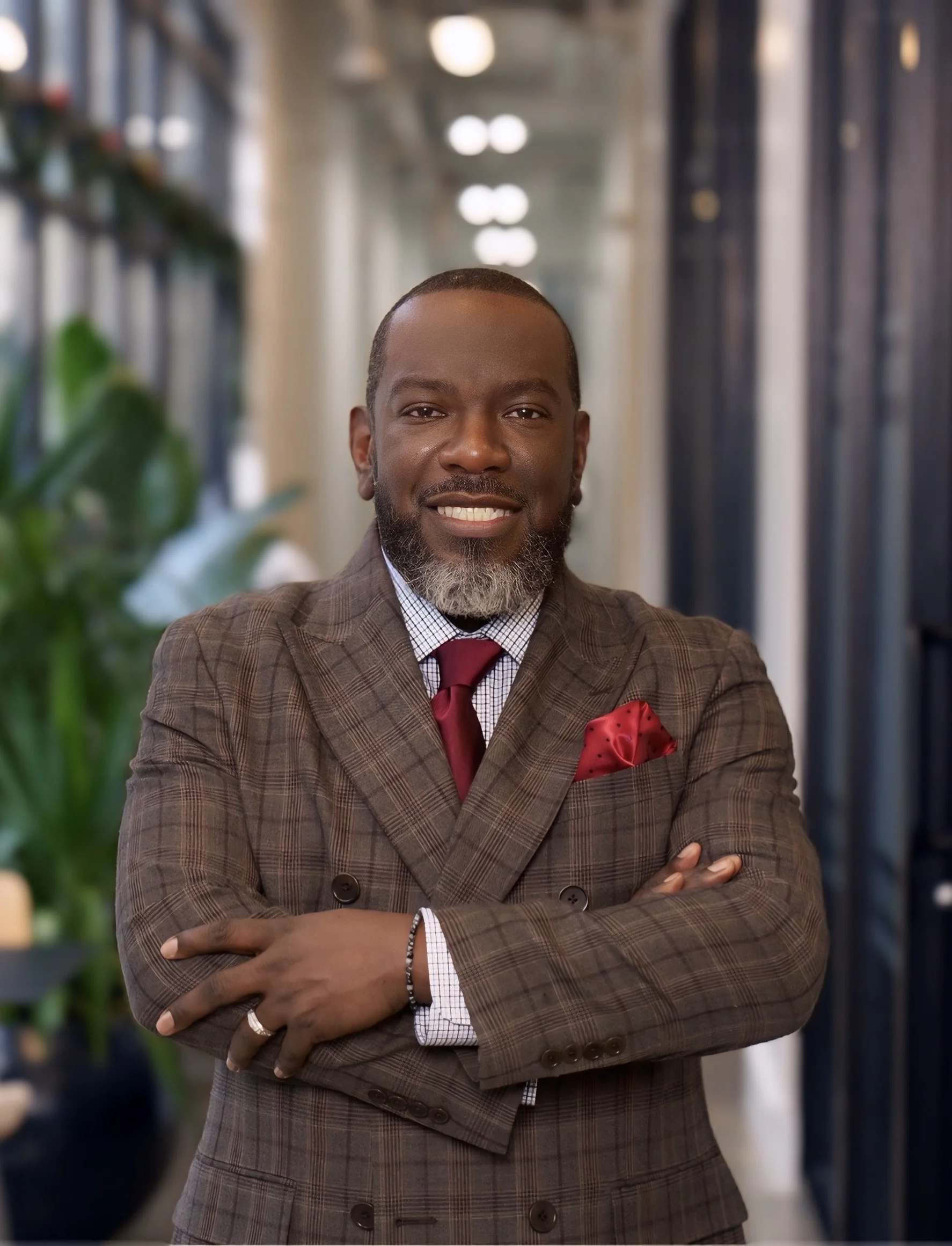
About the Author
Drew Giddings
Founder & Principal Consultant
Drew Giddings brings more than two decades of experience working with mission-driven organizations to strengthen their capacity for equity and community impact. His work focuses on helping nonprofits build sustainable strategies that center community voice and create lasting change.
Ready to Transform Your Organization?
Let's discuss how equity-centered strategic planning can strengthen your mission and community impact.

