
Key Takeaways
Crowdfunding has become a legitimate fundraising channel for nonprofits, but it works differently than individual giving or grants. The dynamics are public, time-pressured, and heavily dependent on social proof and storytelling. Organizations that treat crowdfunding as "just another online giving page" consistently underperform.
Best Crowdfunding Platforms for Nonprofits
GoFundMe Charity
Best for: Emergency appeals, disaster response, and viral-potential campaigns. Zero platform fees for verified nonprofits. Massive built-in audience.GiveButter
Best for: Peer-to-peer campaigns with social media integration. Free for nonprofits. Modern interface. Built-in fundraiser pages for individual supporters.Classy
Best for: Sophisticated campaigns with branding control. Peer-to-peer, events, and recurring giving. Higher cost but professional quality.Facebook/Instagram Fundraisers
Best for: Organic reach through supporters' networks. Zero fees. Limited branding control but massive distribution.Kickstarter/Indiegogo
Best for: Specific projects with tangible deliverables. More common for social enterprises than traditional nonprofits. All-or-nothing model creates urgency.Campaign Strategy
Setting the Right Goal
Too low: Achievable but does not generate excitement. No sense of urgency. Too high: Intimidating. Progress bar looks empty. Donors hesitate to contribute to a campaign that appears to be failing. Right: Ambitious but achievable within the campaign timeline. A good rule: you should be able to secure 30% of the goal from known supporters before launching publicly.
The 30-30-30 Rule
Campaign Timeline
Too short (under 14 days): Not enough time to build momentum unless you have a large existing audience. Too long (over 45 days): Urgency fades. Attention drops off. Sweet spot: 21-30 days. Long enough to build momentum. Short enough to maintain urgency.Storytelling That Drives Donations
The Formula
Video
Campaigns with video raise 150% more than those without. Keep it under 2 minutes. Feature real people, not logos. End with a clear ask.Updates
Post campaign updates at least every 3-4 days. Celebrate milestones. Share impact stories. Thank donors publicly (with permission). Urgency updates near the deadline.Converting Crowdfunding Donors to Long-Term Supporters
This is where most nonprofits fail. Crowdfunding donors are acquired cheaply but retained poorly because organizations treat them as one-time transaction donors rather than beginning a relationship.
Conversion strategy:
Without deliberate conversion efforts, expect less than 10% retention of crowdfunding donors. With a structured approach, 25-35% is achievable.
For ongoing fundraising strategies, see our online fundraising guide and annual fund strategy guide.
Tangible Takeaway
Before launching a crowdfunding campaign, secure commitments for 30% of your goal from known supporters who will give in the first 48 hours. This social proof is the single most important factor in campaign success. Without it, the campaign starts slow, looks unsuccessful, and never builds momentum.
Frequently Asked Questions
What is a realistic crowdfunding goal for a small nonprofit? $5,000-$25,000 for a first campaign. Set the goal where you can reasonably secure 30% from your existing network before launch.
Do we lose money on platform fees? GoFundMe Charity and GiveButter charge zero platform fees for nonprofits. Payment processing fees (2.2-2.9% + $0.30) apply on all platforms.
How often can we run crowdfunding campaigns? 1-3 campaigns per year is sustainable. More frequent campaigns create donor fatigue.
Should we use the all-or-nothing model? Only if reaching the goal is realistic. The urgency helps, but failing to meet an all-or-nothing goal returns all funds and damages credibility.
What about peer-to-peer fundraising? Peer-to-peer (supporters creating their own fundraising pages) is one of the most effective crowdfunding strategies. It multiplies your reach through authentic personal networks. See our peer-to-peer guide.
Can we crowdfund for operating expenses? Technically yes, but campaigns for specific tangible outcomes dramatically outperform "help us keep the lights on" appeals.
About the Author
Drew Giddings is the Founder and Principal Consultant of Giddings Consulting Group, with more than 30 years of experience in fund development and nonprofit strategy.
Contact Giddings Consulting Group to discuss fundraising strategy, digital campaigns, or organizational planning for your nonprofit.
About the Author
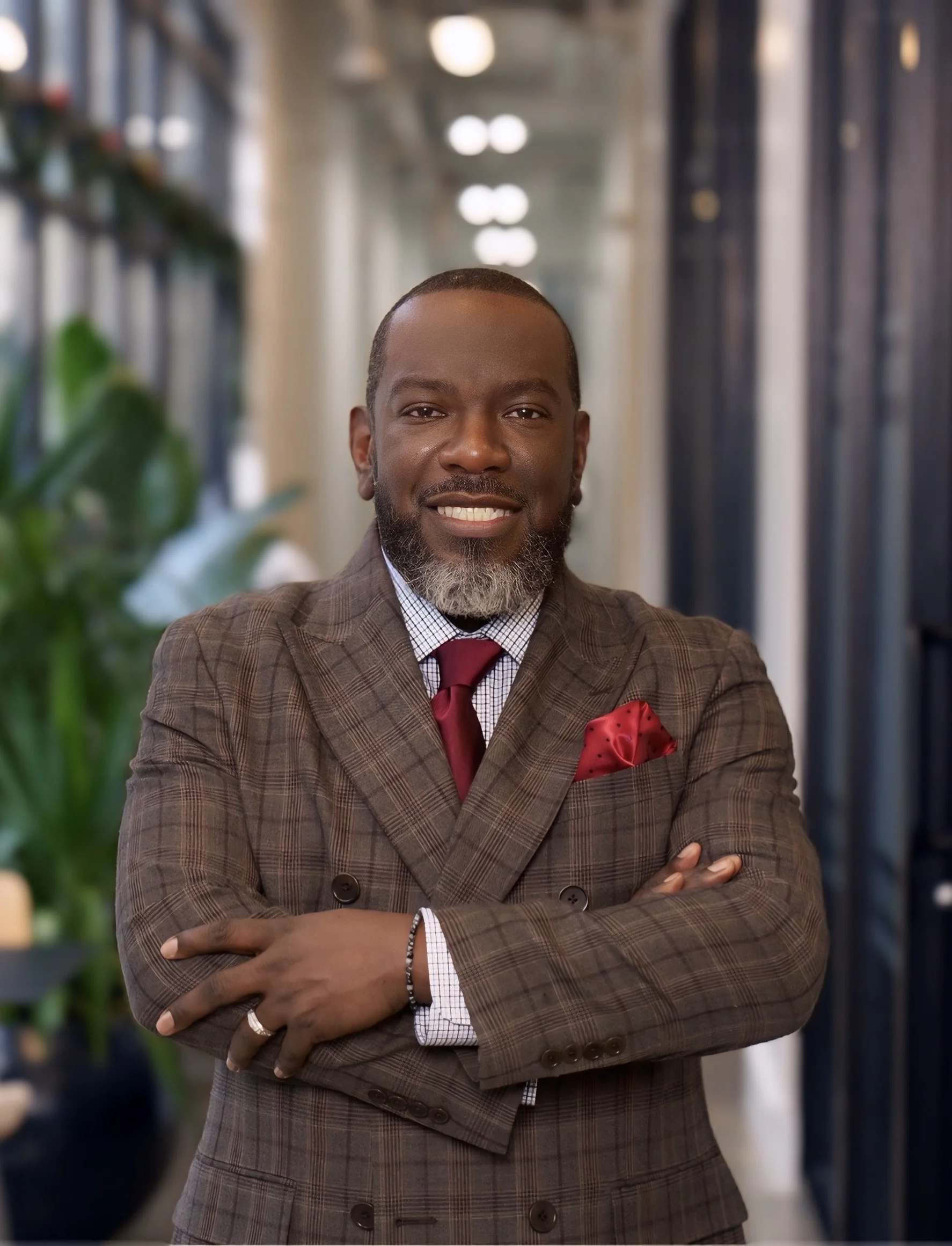
Drew Giddings
Founder & Principal Consultant
Drew Giddings brings more than two decades of experience working with mission-driven organizations to strengthen their capacity for equity and community impact. His work focuses on helping nonprofits build sustainable strategies that center community voice and create lasting change.
Ready to Transform Your Organization?
Let's discuss how equity-centered strategic planning can strengthen your mission and community impact.

