
Key Takeaways
The annual fund is the financial backbone of most nonprofits. It provides the unrestricted revenue that keeps the lights on, pays salaries, and funds the work that grants and major gifts cannot cover. A strong annual fund also builds the donor pipeline for major gifts and planned giving.
What the Annual Fund Is (And Is Not)
It is: An ongoing, systematic effort to generate unrestricted contributions from a broad base of donors through multiple channels on a predictable annual cycle.
It is not: A year-end fundraising push. The annual fund operates year-round with planned touchpoints, not a December panic.
Annual Fund Campaign Structure
The Appeals Calendar
A well-structured annual fund includes 6-10 touchpoints throughout the year:
| Month | Activity | Purpose |
|---|---|---|
| January | Impact report / Thank you | Stewardship from prior year |
| March | Spring appeal (mail + email) | First solicitation of the year |
| May | Giving Day or campaign | Mid-year energy and urgency |
| June | Fiscal year-end push (if applicable) | Close the budget gap |
| September | Fall appeal (mail + email) | Major solicitation before year-end |
| October | Matching gift campaign | Increase urgency with a match |
| November | GivingTuesday | Largest national giving day |
| December | Year-end campaign (3 emails minimum) | 30% of annual giving happens in December |
Multi-Channel Approach
The most effective annual funds use multiple channels working together:
Donor Segmentation
Not every donor should receive the same message. Segment by:
Giving level: First-time donors, mid-level donors, major donors each receive different messaging and different ask amounts.
Recency: Current donors, lapsed donors (12-24 months), and deeply lapsed donors (24+ months) need different approaches.
Channel preference: Some donors respond to mail. Others respond to email. Track and use what works for each individual.
Connection type: Board members, volunteers, event attendees, service recipients, and community members have different relationships with your organization.
The Upgrade Strategy
The most important annual fund metric is not total donors -- it is average gift and donor retention. Focus on:- Moving first-time donors to second gift (the hardest conversion in fundraising)
- Moving repeat donors to recurring monthly giving
- Moving mid-level donors to major gift conversations
Key Metrics
| Metric | Target | Why It Matters |
|---|---|---|
| Donor retention rate | 45-50%+ overall, 25-30%+ for first-time | Retention is cheaper than acquisition |
| Average gift | Increasing year over year | Growth without more donors |
| Cost per dollar raised | $0.10-$0.25 | Efficiency of the program |
| Recurring donor % | 15-25% of total donors | Predictable, sustainable revenue |
| Upgrade rate | 5-10% of donors annually | Pipeline to major gifts |
Common Annual Fund Mistakes
Tangible Takeaway
Build your annual fund calendar this week. Map out 8-10 touchpoints across the year -- not all solicitations. Include thank-you moments, impact updates, and cultivation events alongside ask appeals. Assign each touchpoint to a specific person with a specific deadline. The calendar is the single most important annual fund tool because it prevents the December scramble.
Frequently Asked Questions
How much should the annual fund raise? Typically 20-40% of total contributed revenue for established organizations. Growing organizations may rely on it for 50%+.
What is a good annual fund response rate? Direct mail: 5-10% for house list, 1-2% for acquisition. Email: 0.5-2%. Phone: 15-30%.
How many emails in a year-end campaign? At least 3: launch, reminder, last chance. High-performing organizations send 5-7 during December.
Should we include a reply envelope in every mailing? Yes. Many donors still prefer to write checks. Making it easy increases response.
How do we re-engage lapsed donors? A dedicated lapsed donor appeal acknowledging their past support with a specific, compelling reason to give again. "We miss you" is less effective than "here is what happened since you last gave."
What about GivingTuesday? Participate, but do not make it your entire strategy. It works best as one touchpoint within a broader year-end campaign.
About the Author
Drew Giddings is the Founder and Principal Consultant of Giddings Consulting Group, with more than 30 years of experience in fund development and nonprofit fundraising strategy.
Contact Giddings Consulting Group to discuss annual fund strategy, donor engagement, or organizational planning for your nonprofit.
About the Author
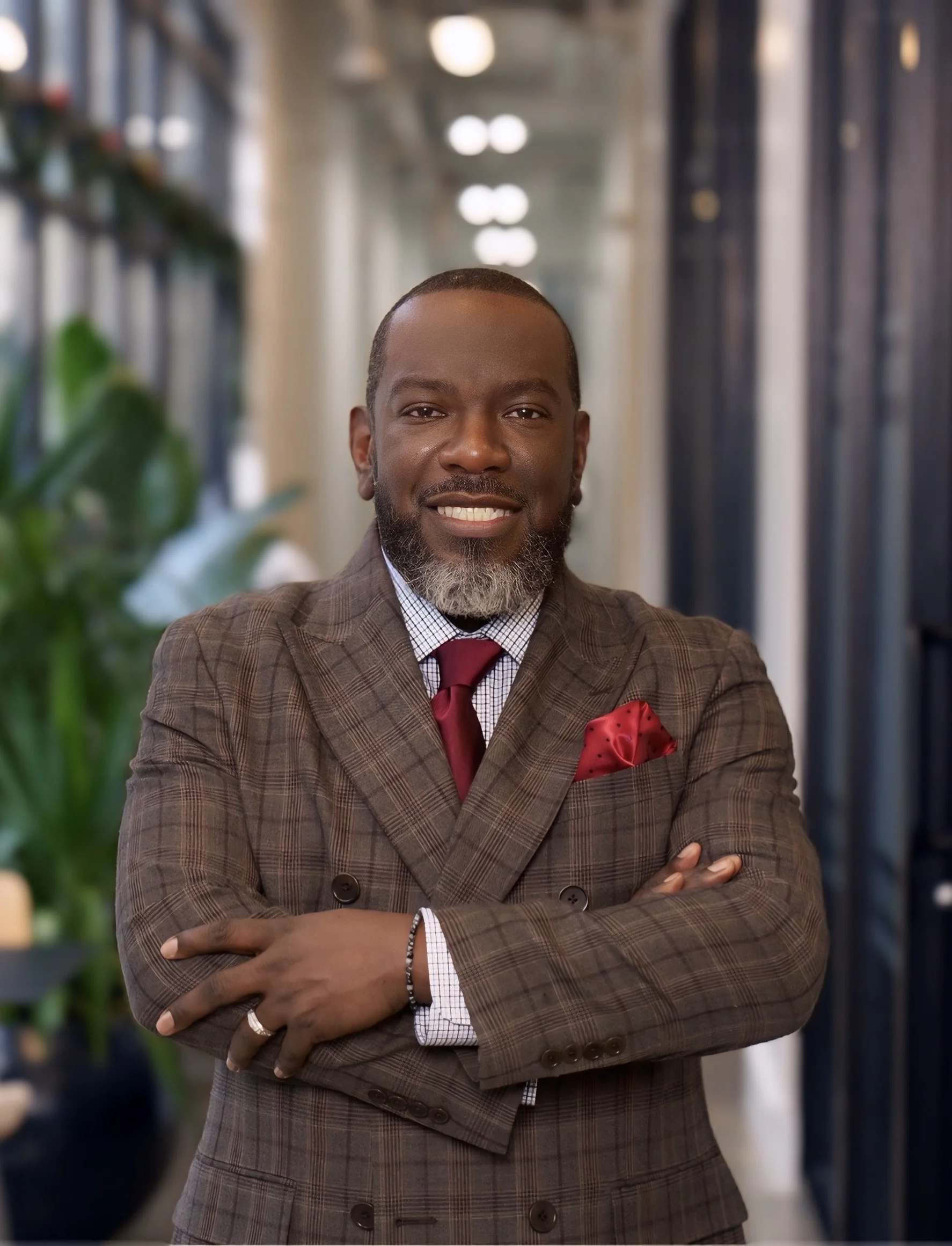
Drew Giddings
Founder & Principal Consultant
Drew Giddings brings more than two decades of experience working with mission-driven organizations to strengthen their capacity for equity and community impact. His work focuses on helping nonprofits build sustainable strategies that center community voice and create lasting change.
Ready to Transform Your Organization?
Let's discuss how equity-centered strategic planning can strengthen your mission and community impact.

