Key Takeaways
A capital campaign is likely the largest fundraising initiative your organization will ever undertake. Whether the campaign succeeds or fails often comes down to one decision made before the first dollar is raised: who you choose as your capital campaign consultant.
After more than 30 years of guiding nonprofits through capital campaigns, I have seen what happens when organizations choose the right consultant and what happens when they do not. This guide covers what they do, what they cost, and how to hire the right one. For broader campaign strategy, see our comprehensive capital campaign guide. For a detailed breakdown of consultant fees across all nonprofit specialties, see our guide to nonprofit consultant costs.
What a Capital Campaign Consultant Does (And Does Not Do)
Set realistic expectations by clearly defining the consultant's role.
What They Provide
Feasibility Study Direction -- The feasibility study is where campaigns begin. Skipping it is the number one cause of campaign failure. The consultant designs the study, identifies interview subjects, and interprets results to determine whether your campaign goal is realistic.
Campaign Architecture -- Designing the gift table, naming campaign phases, building the master timeline, and ensuring every element supports the goal.
Case for Support -- A narrative document connecting your capital need to donor motivation. Fundamentally different from a grant proposal or annual appeal.
Volunteer and Board Coaching -- Training board members and campaign volunteers to ask for major gifts with confidence through scripts, role-playing, and ongoing coaching.
Prospect Strategy -- Identifying, rating, and developing cultivation strategies for your top 50-100 prospective donors.
Campaign Management -- Running committee meetings, tracking pledges, managing stewardship, and keeping leadership informed.
Course Correction -- Identifying stalls early and recommending adjustments before momentum is lost.
What They Do NOT Do
Before signing a contract, align your board: the consultant coaches and strategizes, but your board makes the asks. Campaigns fail when boards expect the consultant to do the fundraising for them.
What Capital Campaign Consultants Cost in 2026
| Engagement Type | Fee Range | Duration |
|---|---|---|
| Feasibility study only | $25,000-$50,000 | 3-4 months |
| Campaign planning (feasibility + plan) | $40,000-$75,000 | 4-6 months |
| Full-service campaign counsel | $75,000-$250,000+ | 12-36 months |
| Part-time ongoing counsel | $5,000-$15,000/month | Campaign duration |
| Targeted coaching | $200-$500/hour | As needed |
Total Campaign Cost Budget
Plan for total campaign costs at 5-12% of the campaign goal:
| Campaign Goal | Estimated Total Cost |
|---|---|
| $1-3 million | $75,000-$200,000 |
| $3-10 million | $200,000-$600,000 |
| $10-25 million | $500,000-$1.5 million |
The Percentage Fee Red Flag
The Association of Fundraising Professionals (AFP) explicitly discourages percentage-based compensation. Any consultant who proposes percentage-based fees should be immediately disqualified. This creates perverse incentives: pressure to inflate goals, motivation to pursue easy gifts rather than strategic ones, and ethical conflicts around solicitation timing.
The Hiring Process That Works
Step 1: Define Your Needs (2-3 weeks)
- Approximate campaign goal and project description
- Timeline and consulting budget
- Internal capacity assessment
Step 2: Identify Candidates (2-3 weeks)
Build a list of 4-6 consultants through peer referrals, AFP member directory, state nonprofit associations, and community foundations.Step 3: Initial Conversations (2 weeks)
A good consultant will ask more questions than they answer and be transparent about fees.Step 4: Request Proposals (3-4 weeks)
Issue a focused RFP to 3-4 finalists covering organizational background, campaign need, timeline, scope, and budget parameters.Step 5: Evaluate and Interview (2-3 weeks)
| Criteria | Weight |
|---|---|
| Relevant campaign experience | 25% |
| Proposed approach and methodology | 25% |
| References and track record | 20% |
| Team qualifications | 15% |
| Chemistry and cultural fit | 15% |
Step 6: Check References (1-2 weeks)
Ask specifically: Did the campaign meet its goal? How did they handle setbacks? Would you hire them again?The entire hiring process should take 10-14 weeks. Rushing this to "get started" is false urgency -- a bad hire costs far more than a thorough search.
Campaign Readiness: Are You Ready?
| Factor | Ready | Needs Work | Not Ready |
|---|---|---|---|
| Board unified on the capital project | |||
| Track record of successful fundraising | |||
| 3-5 board members can make $10K+ gifts | |||
| ED and development director are stable | |||
| Existing relationships with major donors | |||
| Capital project has clear community benefit | |||
| Capacity to manage campaign alongside operations | |||
| Board understands they will fundraise personally |
6+ "Ready" marks: strong candidate. 4-5 with manageable gaps: start with feasibility study. Under 4: focus on readiness first.
The Five Mistakes That Derail Capital Campaigns
Mistake 1: Skipping the Feasibility Study
Organizations that skip it set goals based on organizational need rather than donor capacity -- and donor capacity is the only number that matters.
Mistake 2: Launching Without Lead Gifts
A successful campaign raises 50-70% from the top 10-15 gifts. Before going public, you should have approximately 50-70% committed.
Mistake 3: Choosing the Cheapest Consultant
The fee is 1-3% of your goal. Saving $20,000 on fees while risking hundreds of thousands in campaign revenue is poor financial management.
Mistake 4: Board Disengagement from Fundraising
Board members must give personally and ask their peers. See our guide on nonprofit board roles and responsibilities.
Mistake 5: Impatience with the Quiet Phase
The quiet phase should last 12-24 months. Rushing to "go public" sacrifices the cultivation period that produces the largest gifts.
The feasibility study is your insurance policy against launching a campaign your community is not prepared to support.
Frequently Asked Questions
How much does a capital campaign consultant cost? Fees range from $25,000 for a feasibility study to $250,000+ for full-service counsel. Plan for total campaign costs at 5-12% of your goal. Never engage a consultant who charges a percentage of funds raised.
How long does a capital campaign take? Most take 2-5 years from feasibility through completion. Feasibility: 3-4 months. Quiet phase: 12-24 months. Public phase: 6-12 months.
When should we start looking for a consultant? Ideally 6-12 months before you want to begin the feasibility study.
Can a nonprofit run a capital campaign without a consultant? Technically yes, but professionally guided campaigns consistently raise more. The fee is typically recovered many times over.
What if our feasibility study says we are not ready? This is a good outcome -- it saved you from a failed campaign. Work with your consultant on a 12-18 month readiness plan.
About the Author
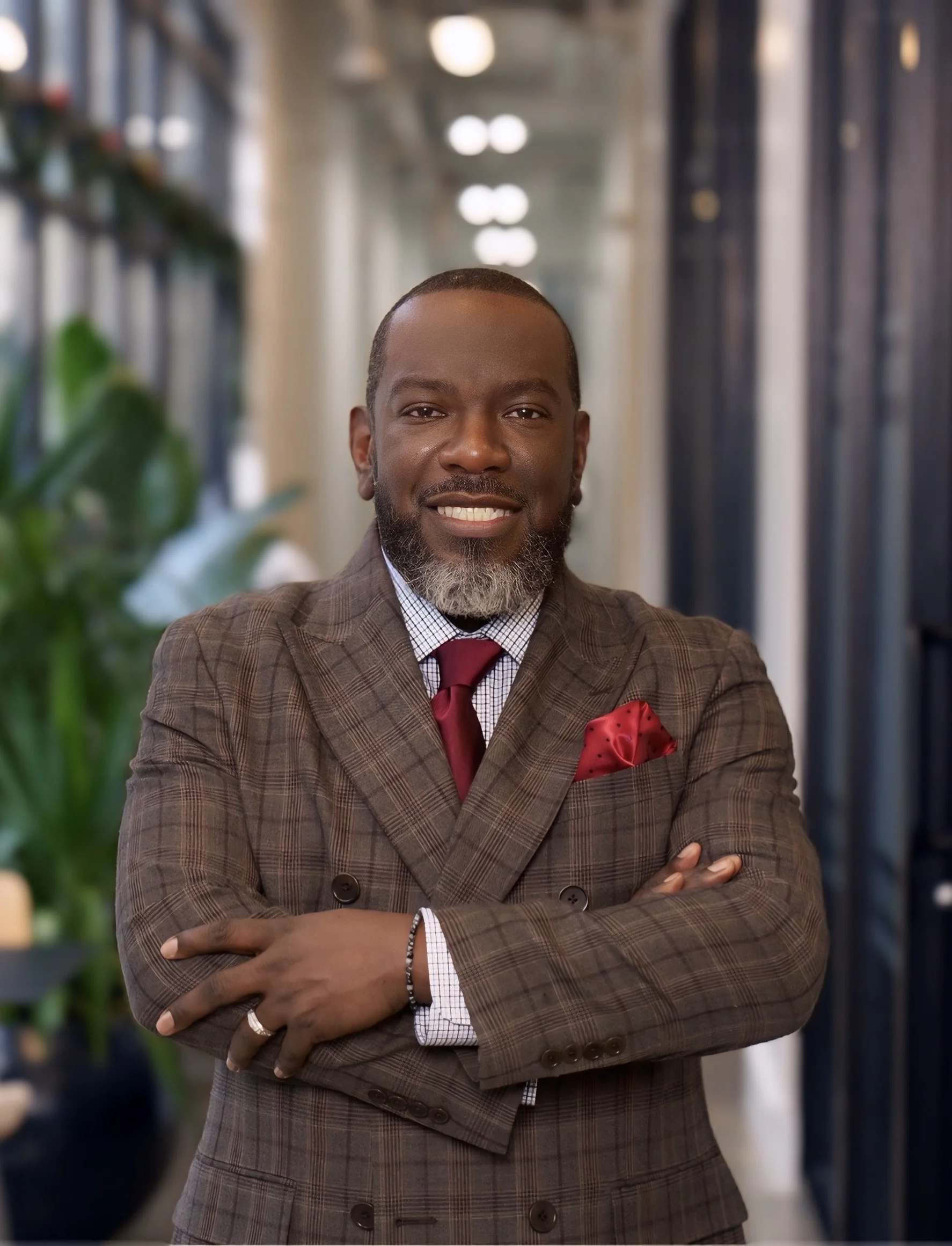
Drew Giddings is the Founder and Principal Consultant of Giddings Consulting Group, with more than 30 years of experience guiding nonprofits through capital campaigns and fund development strategy.
Contact Giddings Consulting Group to discuss your capital campaign readiness.
About the Author
Drew Giddings
Founder & Principal Consultant
Drew Giddings brings more than two decades of experience working with mission-driven organizations to strengthen their capacity for equity and community impact. His work focuses on helping nonprofits build sustainable strategies that center community voice and create lasting change.
Ready to Transform Your Organization?
Let's discuss how equity-centered strategic planning can strengthen your mission and community impact.

