

Key Takeaways
Major gifts are the highest-ROI fundraising channel available to nonprofits. While events might generate $3-5 for every $1 spent and direct mail $5-10, major gifts programs routinely return $10-20 for every $1 invested. Yet many organizations underinvest in major gifts because the work is relationship-intensive and results take time.
What Qualifies as a Major Gift
There is no universal threshold. A major gift is defined relative to your organization:
The defining characteristic is not the amount -- it is the process. Major gifts require personal relationships, individualized cultivation, and face-to-face solicitation. They are not generated by mass appeals.
The Major Gifts Pipeline
Stage 1: Identification
Who in your existing donor base has the capacity and inclination for a major gift?Capacity indicators: Wealth screening data, real estate ownership, business ownership, stock holdings, other philanthropic giving (check Candid).
Inclination indicators: Giving history to your organization, event attendance, volunteer involvement, personal connection to the mission, board membership at similar organizations.
The 80/20 rule applies: 80% of your major gift revenue will come from 20% of your major gift prospects. Focus your energy on the highest-potential relationships.
Stage 2: Qualification
Not every wealthy person with a connection to your cause is a prospect. Qualification determines whether someone is worth investing cultivation time.Key questions:
- Do they have genuine interest in your specific mission?
- Do they have capacity at the level you need?
- Is there a natural connection to someone in your organization?
- Is the timing right? (Life transitions affect giving decisions)
Stage 3: Cultivation
Building the relationship to the point where an ask is natural, not awkward. This takes 6-18 months for most major donor prospects.Cultivation activities:
- Personal meetings (coffee, lunch, office visits)
- Behind-the-scenes tours and program visits
- Small group events with other donors
- Personal notes and calls (not mass communication)
- Invitations to serve on advisory committees
- Shared experiences related to the mission
Stage 4: Solicitation
Making the ask. This is where most fundraisers get nervous, but if cultivation was done well, this is the natural next step.Best practices:
- Ask in person, one-on-one (or with a board member)
- Present a specific project or need with a specific amount
- Connect the ask to what the donor cares about (not what you need)
- Use silence after asking -- let them respond
- Be prepared for "let me think about it" (this is not a no)
- "Would you consider a gift of $X to support [specific project]?"
- "We need $X to accomplish [specific outcome]. Would you be willing to make that possible?"
Stage 5: Stewardship
What happens after the gift determines whether there will be a next gift. Stewardship is the most neglected stage -- and the most important for long-term revenue.Stewardship essentials:
- Thank within 24 hours (phone call from the ED or board chair)
- Impact report showing how the gift was used (within 6 months)
- Continued personal contact (not just when you need money)
- Invitation to see the impact firsthand
- Recognition in the manner the donor prefers (some want visibility, others want privacy)
Building a Major Gifts Program from Scratch
Year 1: Identify your top 25 prospects from your existing donor base. Begin personal cultivation with the top 10. Make your first asks by month 8-10. Goal: 3-5 major gifts.
Year 2: Expand to 50 prospects. Systematize stewardship. Add wealth screening. Begin donor-advised fund education. Goal: double year 1 revenue.
Year 3: Formalize the program with a dedicated major gifts officer or significant time allocation for the ED. Build a moves management system in your CRM. Goal: major gifts represent 30-50% of total fundraising revenue.
Tangible Takeaway
This week, pull a report of your top 25 donors by cumulative giving. For each, answer: when did you last have a personal conversation? Have they visited your programs? Do you know what they care about beyond your organization? If you cannot answer these questions for your top 25 donors, that is where your major gifts program starts.
Frequently Asked Questions
Who should make the ask? Ideally, the person with the strongest relationship -- often the ED, a board member, or both together. Peer solicitation (donor asks donor) is the most effective approach.
How many prospects can one person manage? Actively cultivating 100-150 major gift relationships is realistic for a full-time major gifts officer. An ED managing major gifts alongside other duties should focus on 20-30.
What if they say no? "No" usually means "not now" or "not that amount" or "not that project." Ask clarifying questions. Maintain the relationship. Many of the largest gifts in nonprofit history came after initial declines.
Should we use wealth screening? Yes, for organizations with 1,000+ donors. Wealth screening identifies capacity you cannot see from giving history alone. DonorSearch, WealthEngine, and iWave are the major providers.
How do we track cultivation activities? Use your CRM's moves management or activity tracking. Every contact, meeting, and interaction should be recorded. If it is not in the system, it did not happen.
What about donor-advised funds? DAFs are the fastest-growing vehicle for charitable giving. Educate your major donors about DAF giving and make it easy to give through their DAF. Include DAF instructions on your website.
About the Author
Drew Giddings is the Founder and Principal Consultant of Giddings Consulting Group, with more than 30 years of experience in fund development and strategic planning.
Contact Giddings Consulting Group to discuss major gifts strategy, fund development, or organizational planning for your nonprofit.
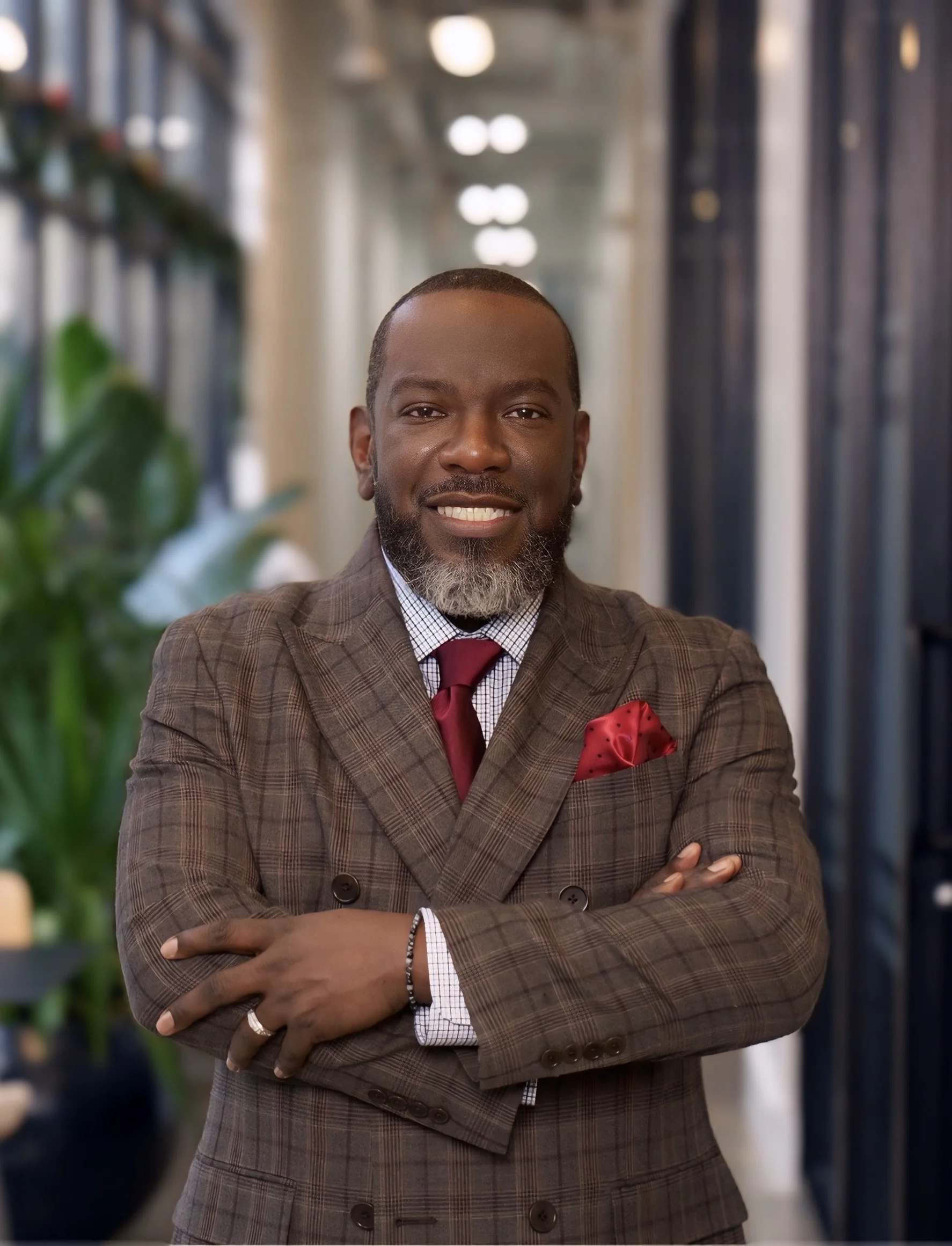
About the Author
Drew Giddings
Founder & Principal Consultant
Drew Giddings brings more than two decades of experience working with mission-driven organizations to strengthen their capacity for equity and community impact. His work focuses on helping nonprofits build sustainable strategies that center community voice and create lasting change.
Ready to Transform Your Organization?
Let's discuss how equity-centered strategic planning can strengthen your mission and community impact.

