

Key Takeaways
The legal duties of a nonprofit board -- care, loyalty, obedience -- tell board members what they owe. But they do not tell board members what to do on a Tuesday afternoon at a board meeting. The seven functional responsibilities framework bridges that gap.
After more than 30 years of board development consulting, I have found that boards struggle not because members lack dedication, but because they lack a clear operational framework. The seven functional responsibilities provide that framework, drawn from governance literature and refined through practice with more than 100 nonprofit boards.
The Seven Functional Responsibilities
Unlike the ten basic responsibilities framework, which covers the full scope of organizational governance, this model focuses on what individual board members are personally expected to do.
Responsibility 1: Mission
Every decision should be evaluated against the mission. This is an ongoing discipline, not a one-time approval.
When it works: Board members articulate the mission clearly, new initiatives are evaluated against mission alignment, and the board pushes back when activities stray from core purpose.
When it fails: Board members cannot state the mission, programs are driven by funding availability rather than mission, and mission drift goes unchallenged because revenue is growing.
Open every board meeting by reading the mission aloud. It takes 15 seconds and recenters every discussion that follows.
Responsibility 2: Executive Director
The board has one employee: the executive director. The quality of that relationship determines organizational effectiveness more than any other factor.
When it works: Clear performance expectations tied to the strategic plan. Annual evaluation with honest feedback. Regular chair-ED communication. Competitive compensation reviewed annually. A succession plan in place.
When it fails: No formal evaluation. Board members bypass the ED to direct staff. Compensation not benchmarked. Problems discussed among board members but never with the ED.
Responsibility 3: Attendance and Engagement
Board service is a commitment, not a courtesy. Attending meetings, reading materials in advance, and participating in discussions are minimum expectations.
When it works: 75%+ attendance. Materials read before meetings. Diverse voices in discussions. Action items completed between meetings.
When it fails: Quorum is a struggle. The same three members dominate. Board packets sit unread. Members multitask during calls.
The Difficult Conversation: When a member consistently fails to engage, the chair must have a direct conversation: "We need you either fully engaged or willing to step aside so someone else can serve."
Track attendance formally. Publish records in board packets. Visibility creates accountability.
Responsibility 4: Committee Work
Committees are where substantive governance work happens. Full board meetings are for decisions; committees do the analysis.
Essential committees:
When it works: Every member serves on at least one committee. Committees meet regularly and report substantive findings.
When it fails: Committees exist on paper but rarely meet. Committee chairs do all the work.
Every committee needs a written charter defining purpose, membership, meeting frequency, and deliverables. Committees without charters drift.
Responsibility 5: Financial Stewardship
Every board member -- not just the treasurer -- has a fiduciary duty to understand and oversee finances.
When it works: Every member can read a basic financial statement. Financial reports include narrative context. Board members ask about variances and projections. Form 990 is reviewed by the full board.
When it fails: Financial reports are approved without discussion. Board members defer to the treasurer. No one asks "What happens if our biggest grant is not renewed?"
For detailed compliance guidance, see our article on 501(c)(3) board requirements.
At your next board meeting, after the financial report, ask: "What is the one financial number that concerns you most?" If no one has an answer, your board is not engaged with the finances.
Responsibility 6: Fundraising
Board members must ensure adequate financial resources through personal giving, donor identification, and fundraising support.
When it works: 100% board giving. Members identify donors in their networks. Members make introductions for the development team. Members attend events and thank donors personally.
When it fails: Board treats fundraising as staff's job. Giving is below 100%. Members are absent from fundraising events.
Overcoming Fundraising Anxiety
Reframe it: fundraising is sharing your passion with people who share your values and inviting them to invest in work that matters.
Board members who struggle with direct asks can:
- Write thank-you notes to donors
- Share social media posts
- Host a house party (venue only -- staff handles the ask)
- Provide contact info for potential donors
- Attend events and bring two guests
Start with 100% board giving. Once every member gives personally, the fundraising conversation fundamentally changes.
Responsibility 7: Community Advocacy
Every board member is an ambassador. Your reputation, networks, and advocacy extend the organization's visibility beyond what staff alone can achieve.
When it works: Members speak knowledgeably about the organization. Members make introductions to potential partners and funders. Members attend community events representing the organization.
When it fails: Members never mention the organization outside meetings. Community members do not know who serves on the board. The organization's public profile depends entirely on staff.
The Ambassador Toolkit
Equip every board member with:
- An elevator pitch (30 seconds)
- Key statistics (people served, outcomes)
- The organization's current biggest need and opportunity
At each meeting, ask one member to share how they represented the organization in the past month. This normalizes the ambassador role.
Board Performance Dashboard
| Responsibility | Not Meeting | Meeting | Exceeding |
|---|---|---|---|
| 1. Mission guardianship | |||
| 2. ED relationship | |||
| 3. Attendance and engagement | |||
| 4. Committee work | |||
| 5. Financial stewardship | |||
| 6. Fundraising participation | |||
| 7. Community advocacy |
All seven "Meeting" or above: Board is functioning well. Focus on moving to "Exceeding."
4-6 "Meeting" with gaps: Solid foundation with areas needing targeted training.
3 or fewer "Meeting": Significant challenges. Consider a board development consultant.
Building a Culture of Governance Excellence
Start with Expectations
A board member agreement -- written, signed -- listing expectations for attendance, giving, committee service, and community representation eliminates ambiguity.Invest in Orientation
New members who receive thorough orientation perform at a higher level from their first meeting.Conduct Annual Self-Assessments
Boards that evaluate themselves annually improve. Boards that do not stagnate.Celebrate Governance Wins
When a member makes a significant connection or provides an insight that changes direction, acknowledge it publicly.Frequently Asked Questions
What is the difference between the 7 functional responsibilities and the 10 basic responsibilities? The ten basic responsibilities describe organizational governance scope. The seven functional responsibilities focus on what individual members are expected to do personally. Use both: the ten for organizational assessment, the seven for individual expectations.
How do you hold board members accountable? Three mechanisms: a signed board member agreement, annual individual performance conversations, and term renewal decisions based on actual engagement.
What if a member excels at some responsibilities but fails at others? This is normal. The board as a whole should cover all seven effectively. Leverage individual strengths (financial expertise on finance committee) while supporting weaker areas (fundraising training for anxious members).
How does this apply to small boards? It applies even more. Small boards cannot afford passengers. Every member must actively contribute across multiple responsibilities.
Should the ED be evaluated against these seven? No. These are board responsibilities. The ED has their own performance framework tied to the strategic plan.
About the Author
Drew Giddings is the Founder and Principal Consultant of Giddings Consulting Group, with more than 30 years of experience in board development, governance training, and organizational capacity building.
Contact Giddings Consulting Group to discuss board governance training, self-assessment facilitation, or strategic board development.
About the Author
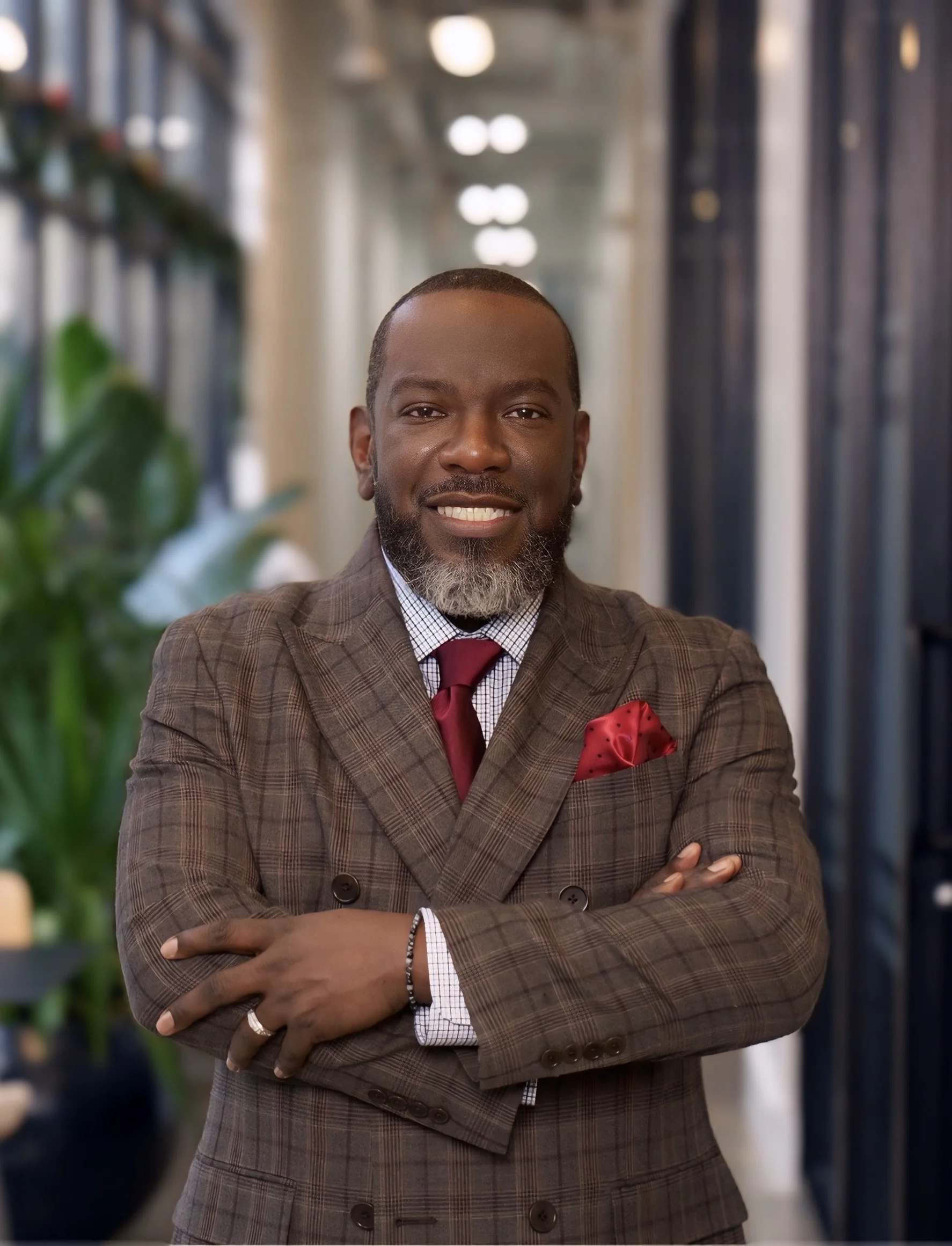
Drew Giddings
Founder & Principal Consultant
Drew Giddings brings more than two decades of experience working with mission-driven organizations to strengthen their capacity for equity and community impact. His work focuses on helping nonprofits build sustainable strategies that center community voice and create lasting change.
Ready to Transform Your Organization?
Let's discuss how equity-centered strategic planning can strengthen your mission and community impact.

